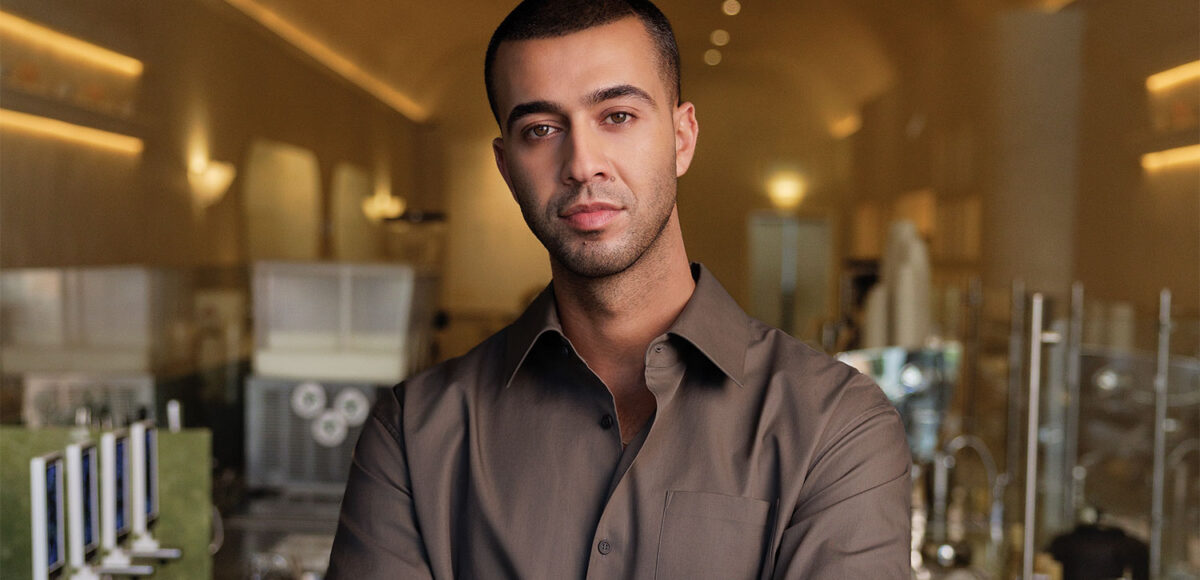

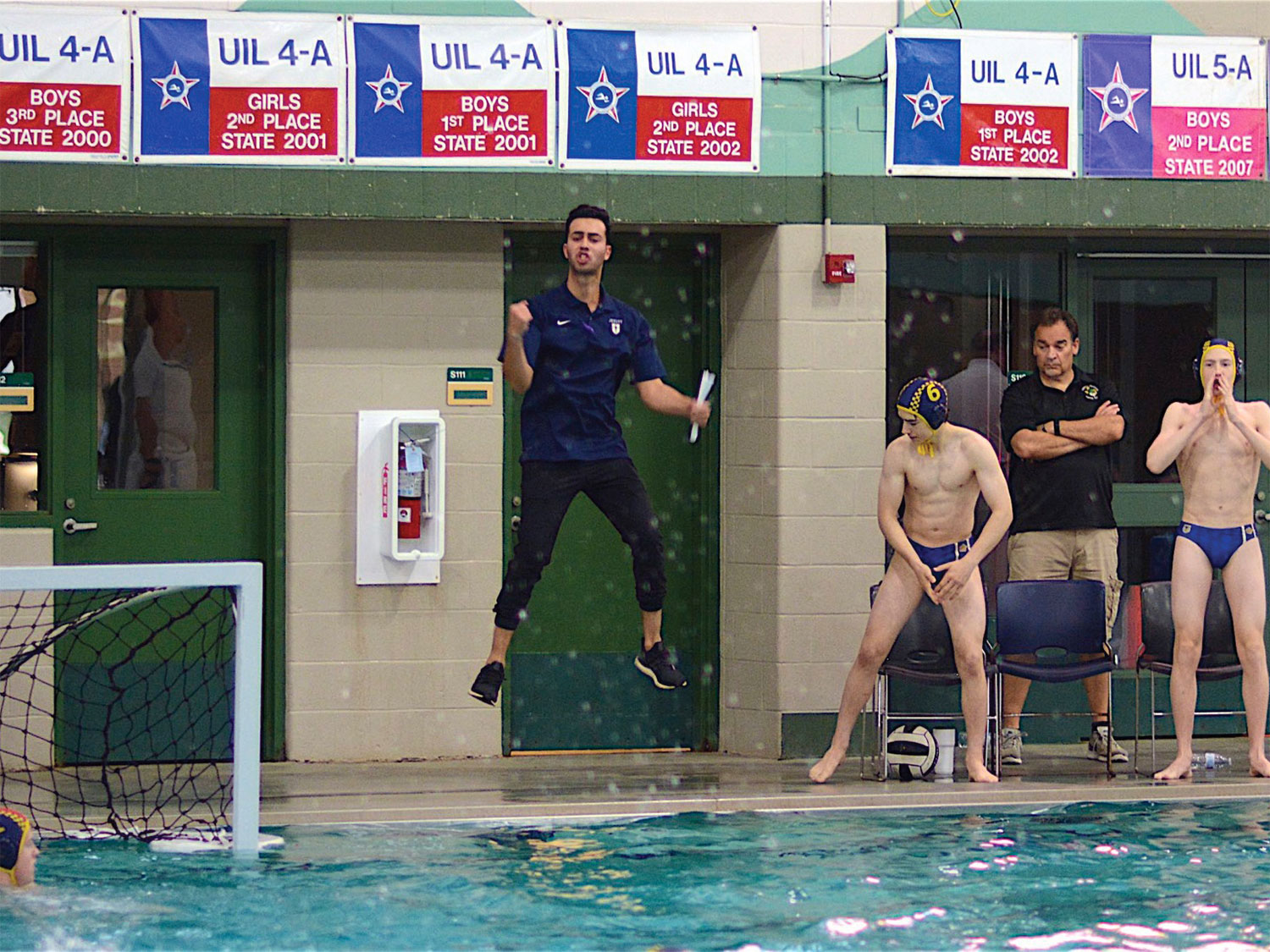
“He dropped by my classroom, unexpectedly, on his way to water polo practice,” recalls former Beverly Hills High School English teacher Ms. Jamie Marrs. She could see something was different about 16-year-old Francois Reihani. His usual swagger seemed uncertain; his energy, contemplative.
Francois had just lost his beloved grandfather.
“It was kind of an awakening,” shares Francois.
Entrepreneur magazine chose Francois, at age 25, for its cover and featured him in its “Young Millionaires” cover story. In it, Francois speaks about his high school days: “I had frankly become a d…ck. Like I wasn’t being a good person.”
“But that one day, I asked myself, ‘What are you doing [with your life]?’”
“He definitely had grit,” says Ms. Marrs, but she sensed there was far more beneath the surface. His rebellious streak, she came to understand, was how he was surviving.
That day’s “awakening” transformed his life’s trajectory. Ms. Marrs’ counsel gave him the confidence to boldly move forward to La La Land.
Today, Francois Reihani is the 31-year-old founder and CEO of La La Land. A propulsive visionary, he has creatively and confidently reimagined the café experience. Ironically, he wasn’t a coffee drinker to begin with. A believer in miracles, he’s driven by passion and instinct, and a conviction that runs deeper than ambition: a certainty that human connection, built through kindness, is what ultimately matters.
Despite his successful first venture in hospitality at the age of 19, with a restaurant called Pok, Francois suffered from a surprisingly hollow and unsatisfied feeling. Searching for deeper meaning, his sister and friend led him to the Court Appointed Special Advocates (CASA) organization in Dallas. There he was exposed to the harsh realities foster youth face, especially once they “age out” of the system. Francois became obsessed with wanting to help.
Determined to provide foster youth a real path to self-sufficiency and independence, Francois rethought and rebuilt his business plan. Drawing on his “delusional positivity,” he wanted to revolutionize the café experience. La La Land was born, a “mission-driven, consumer, hospitality brand” that supports turned out foster youth. Its beneficent mission was not an afterthought. It remains at La La Land’s business model core, proving that a cup of coffee, with a tablespoon of kindness, and an entrepreneurial spirit can be a game changer.
“Magic happens when you do the right thing.”
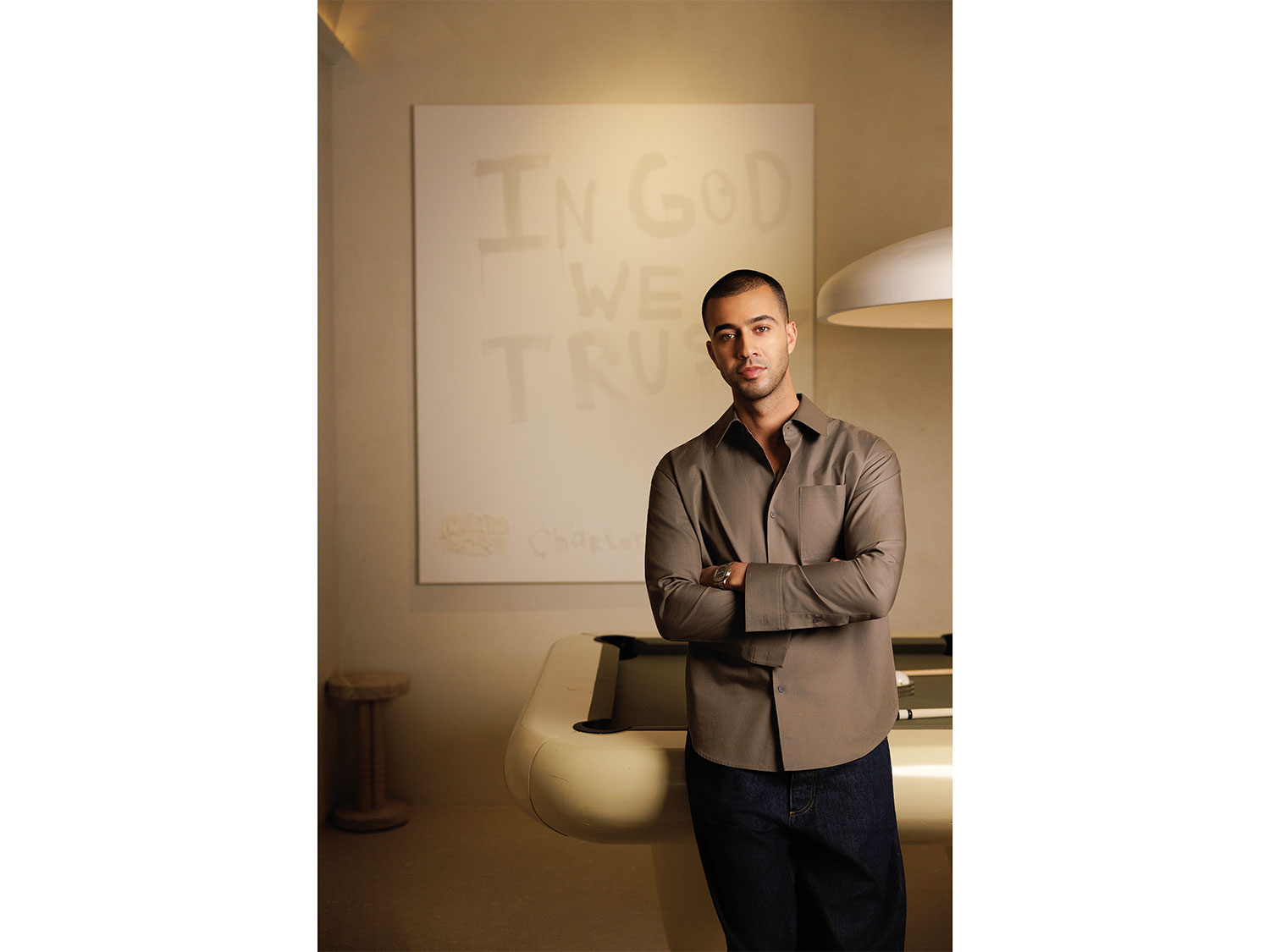
Photo by Sarah Orbanic
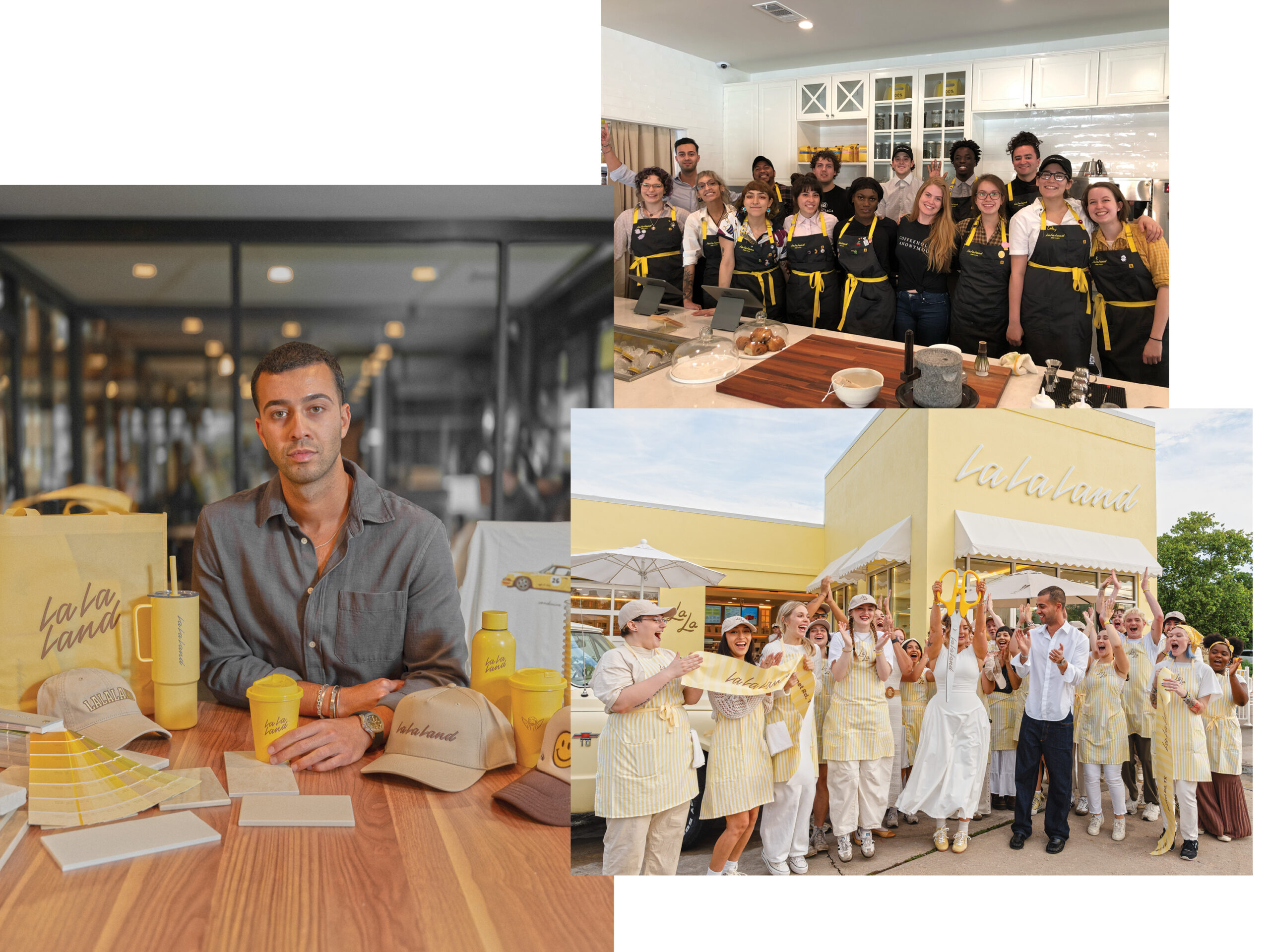
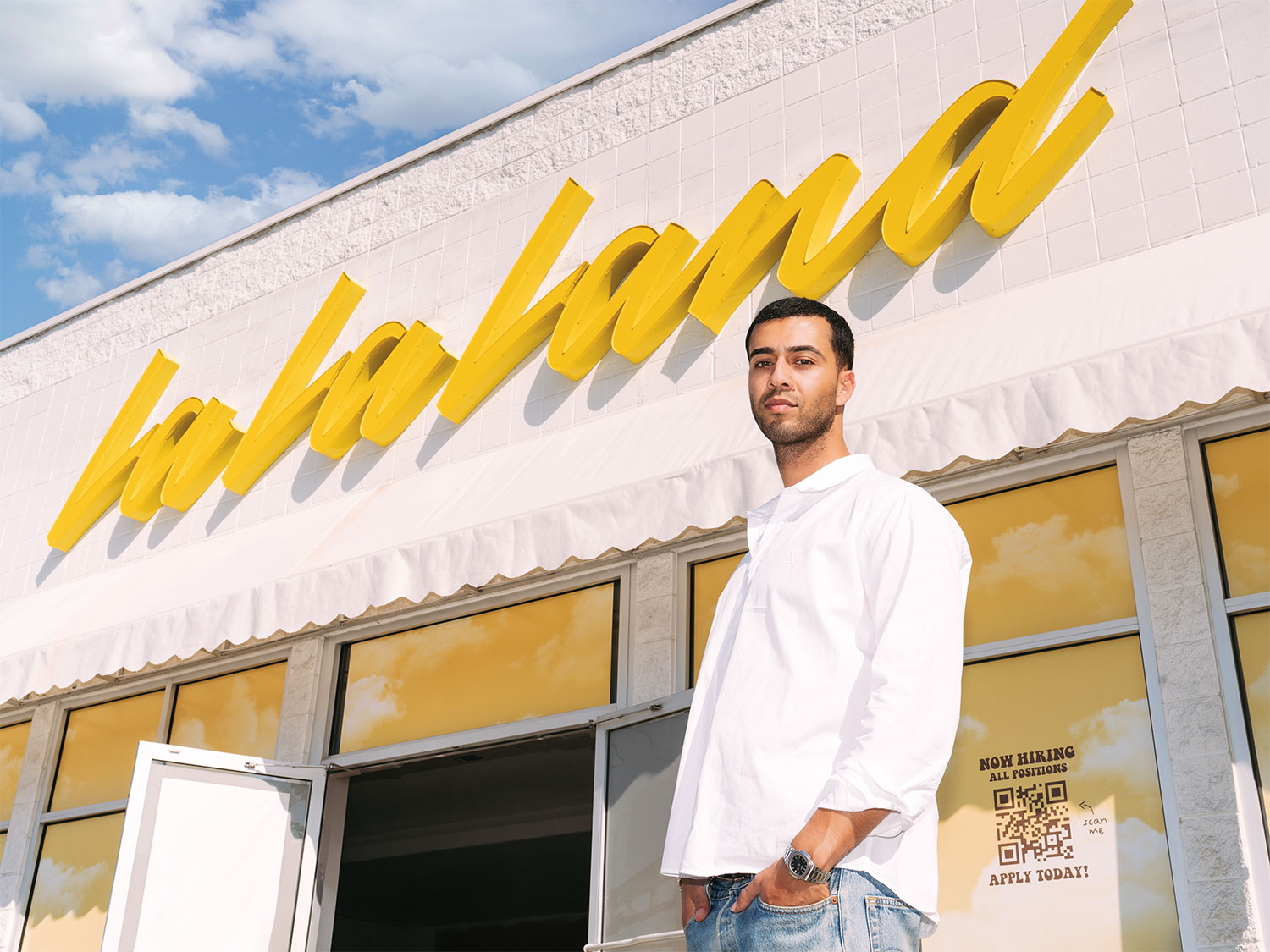
Upon entering a La La Land, visitors are immediately welcomed in by the bright, uplifting, kind atmosphere. Vivid yellow serves as the brand’s visual style. A barista’s cheerful greeting sets the tone, complemented by the gleaming, professional-grade brewing equipment at the coffee bar. This dreamlike setting reflects the company’s stated mission to bring “more yellow into the world … more energy, optimism, and light to everyday life.”
Francois’ journey is as inspiring as it is unconventional. Armed with persistence and conviction, he first won over a local investor. Soon he was raising capital from sophisticated institutional partners. By the time he was 30, La La Land had reportedly raised more than $70 million since its start in 2019. Its advisory board includes three heavyweights of the restaurant and real estate worlds: Rick Caruso, founder and executive chairman of Caruso, the developer of many properties including The Grove and The Americana at Brand (four of which house La La Lands); Jonathan Neman, co-founder and CEO of Sweetgreen; and Brett Schulman, co-founder and CEO of CAVA.
“Magic happens when you do the right thing,” Francois believes.
Many consider La La Land a bona fide breakthrough in the café space. Part of the credit goes to Francois’ imaginative marketing instincts, and part may belong to his Zillennial sensibility: a millennial entrepreneurial path paired with a Gen Z playbook and a TikTok-driven brand. With more than 6 million followers across TikTok and other platforms, it’s no wonder lines form outside La La Land locations. The company now has 38 cafés across six states, with seven more projected by year’s end, and its first airport location just opened in Dallas Fort Worth International Airport.
Francois has built a roster of collaborations with some of the biggest names in fashion, entertainment, and beauty, including Disney’s Mickey & Friends, Nike, Amiri, Lululemon, Fossil, and TOMS, along with celebrity-founded beauty brands Rare Beauty by Selena Gomez and JLo Beauty by Jennifer Lopez. He has his sights set on new markets, with an eventual goal of La La Lands in every state. Closer to home, the limited-edition matcha line created with The Beverly Hills Hotel, available at every La La Land location, was also featured at the hotel’s legendary Polo Lounge.
With the goal of La La Land becoming an iconic American company, he smiles, offering, “As I say all the time, there’s Nike, Apple, La La Land.”
It’s one thing to be a dreamer; it’s another to build a new cultural brand that’s authentic and transformative. So how has this young man mastered this in seven years? Why did foster youth resonate deeply within him, and how effective are his programs? I sat down with our hometown boy in his Beverly Hills office, overlooking our beautiful city, to find out.
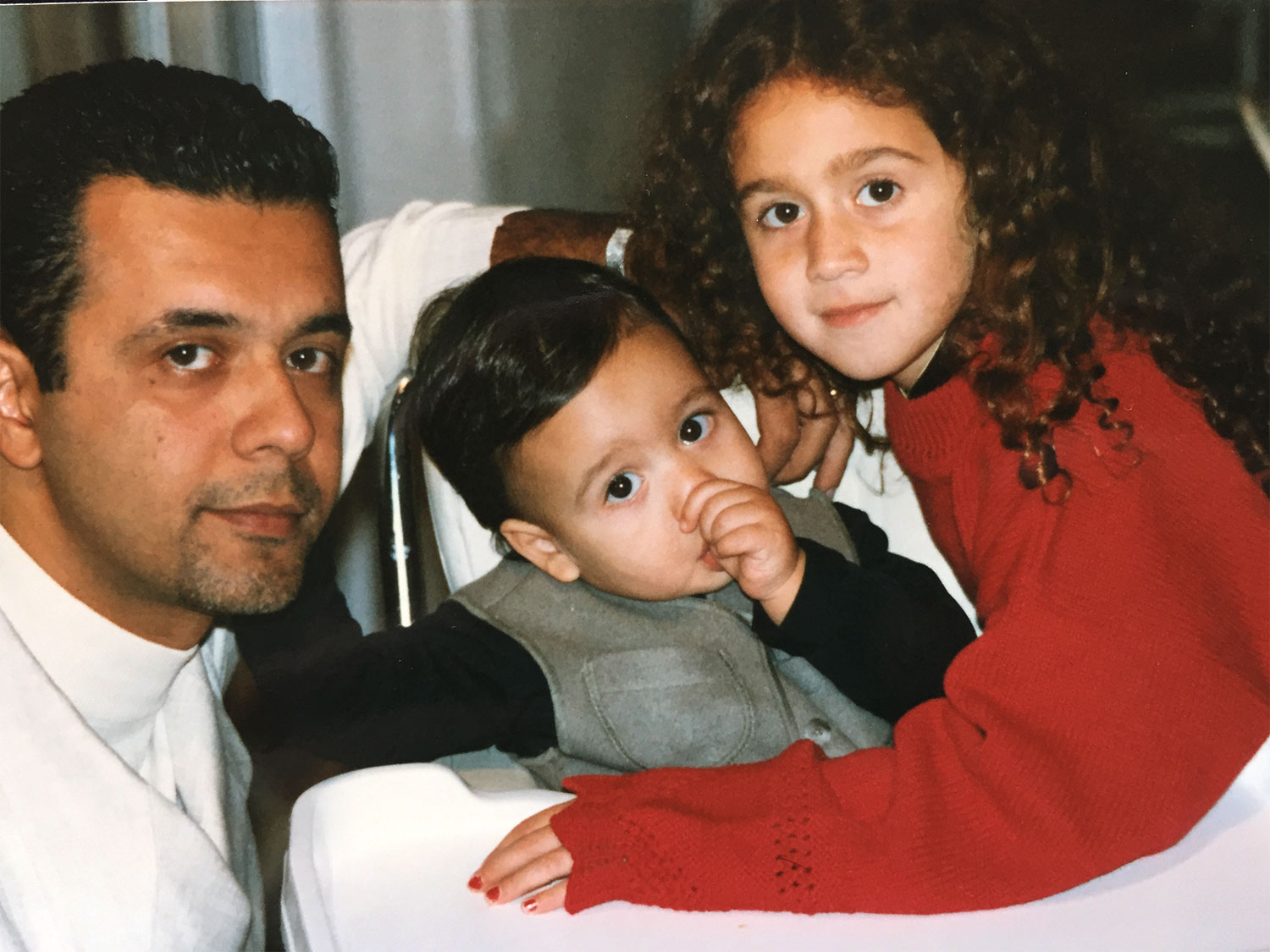
Photos courtesy of Francois Reihani
Once Upon a Latte
“La La Land’s a great mix of my whole life growing up. I think both Mexico and Beverly Hills have shaped me in different ways,” shares Francois.
He was born September 25, 1995, in Los Angeles to Shawn and Daniela Reihani of Iranian descent. Frequent travelers to Paris, Daniella fell in love with the name Francois. Months after his birth, Shawn suffered a heart attack which prompted the family to move to Rosarito, Mexico in pursuit of a better life. There, Francois embraced the warm, loving Mexican culture. Soon his little sister Francesca was born, sandwiching Francois between her and his older sister Chloe. Shawn ran a small clothing print shop. Financially, the family struggled, as did most in the community, yet Francois relished the kindness he felt all around him. The Reihanis’ shared faith kept the family close.
Even as a boy, Francois showed signs of the entrepreneur he would become. Industrious and resourceful, he looked for ways to help the family. With a kind, friendly approach, he made people want to buy what he was selling. Traveling door to door with calendars and candy, he also hustled washing cars and mowing lawns.
Fearing for their safety as drug-war violence escalated, the Reihanis returned to Los Angeles when Francois turned 12, settling just east of Beverly Hills. But before long, it became evident Francesca’s school was not a good fit for her. Daniela insisted they move to Beverly Hills, home to the best schools. The only place the family could afford was a small, one-bedroom apartment.
“It was a studio on the corner of Doheny and Olympic Blvd. It was five of us, and four dogs … You can imagine, every couch is basically a bed and a bed is for three people.”
For years the Reihanis lived crammed in this space.
“I remember being in that apartment. My mom had maybe given me a $5 bill and I felt horrible for taking it. That was literally the last dollar I ever took. I just figured out for myself how to make it on my own. I think about that apartment all the time. I love driving by. It is a huge motivator. Hopefully, one day I can buy that building just as a good memory.”
Most of his classmates lived very different lives.
“I remember my first day starting at Hawthorne Middle School. I loved that place. It was a Friday. And a friend I made invited me to his house … right above Sunset Boulevard on Mountain Drive.”
Mountain Drive is one of Beverly Hills’ most manicured streets. Lined with stately homes, it was worlds away from the life Francois knew.
“I remember the first glimpse I had. The gates opened and all the housekeepers came out. It was enlightening to me, to see something like that.”
The contrast did not discourage him.
“I wasn’t really looking around thinking, ‘Why don’t I have this?’ I looked at it in a motivating way … I wanted to find a way to build it for myself and my family.”
But as an adolescent, it was hard for Francois to make an impact. The Reihanis’ financial challenges grew. Francois and his sisters had to work while attending school, to help provide for their living expenses.
“That was such a tough period of time. We were constantly being forced to move … to other apartments, always another one-bedroom. I didn’t really care about anything. I didn’t have any real regard for life.”
His troublemaking behavior took hold, yet his disinterest in drugs remained. “That path was never an option,” he shares. But playing on the Beverly Hills High’s water polo team was.
“Water polo was a highlight of my life.” Academically, he admits he was a “horrible” student.
“Probably 90% of the teachers thought I was just a bad kid, but when I applied myself, I could get 100% … And so, in high school, even though most teachers were just fed up with me, I had one teacher; her name was Ms. Marrs, [who was not].”
Choosing to see her that day, Francois reflects, was one of his many miracles.
The Teacher Who Believed
Jamie Marrs taught Francois English during his sophomore year. At the time, she was unaware of his struggles at home. “He seemed to put out a persona that he didn’t care … with an attitude like, ‘I’m above all this.’” She shares, “I used to tease him about the way he would respond in class.” She understood he was a student full of fire for whom the structure of school simply wasn’t working.
Francois’ older sister, Chloe, told him about the California High School Proficiency Exam. If he passed during his junior year, he could skip his senior year and start college a year early. It would also free him up to work full time and make more money for the family.
His guidance counselor and others discouraged the idea. His academic performance was poor. Would he have the stamina to study hard? They feared he might not pass. What could become of him? Unsure where to turn, Francois went to see Ms. Marrs the day after his grandfather passed away.
“’You can 100% do this. You’re going to do great things. Get it together, go study for it and get it done,’” Francois recounts Ms. Marrs’ words to him.
It was the kind, encouraging message he needed.
“Once I had set my mind to this, I didn’t care about anything but being great. It was straight A’s and only work. My friends did not see me for a long time.”
He passed the exam, entered Santa Monica College (SMC) and transferred to the University of Southern California (USC) while working full time selling cars at Volkswagen of Santa Monica.
When Ms. Marrs was informed of the importance of that one meeting with Francois, she chuckled, “Glad I had the right coffee that day.”
Francois kept up his responsibilities at home. After a full day of classes at USC, he would head to Brentwood and wait for Chloe, in their shared car, to finish work. Then she would drive him to his shift at Volkswagen.
“If anyone deserves 99% of the credit for anything I’ve done, it’s definitely my sister. She was helping take care of the family when she was 15, 16 years old. She never had a high school experience because she was working so much. By taking on all of the family responsibility and not leaving that on me, she allowed me to go and do what I had to do.”
A Dream Come True: La La Land Meets Mickey
During this period, Francois carved out a little time to coach basketball at Beverly Hills Basketball League (BHBL).
“I just love coaching sports. It’s competitive. What I do now is basically a more serious competitive version of me coaching.”
This particular year his team was good. They made it to the finals.
“We get there, and of course we’re playing Bob Iger, the CEO of The Walt Disney Company, and his son.”
Francois’ team lost, but years later, La La Land won. Bob Iger walked into La La Land in Santa Monica for a coffee. Coincidentally or serendipitously, Francois happened to be behind the coffee bar.
“We had four stores at that time. I went up to him, of course, and told him how much I respect what he’s done. I told him about us [coaching], and he remembered it. He was very complimentary of La La Land. I was so fired up afterwards.”
Four years and 20 more La La Lands later, Bob Iger’s marketing team at Disney reached out to Francois for a Disney-La La Land collaboration. In Francois’ mind, it was one of his many miracles. For a brand built on kindness, the partnership was a natural fit.
Francois answered the call with La La Land’s first-ever kids’ menu. Launched in August 2025 at all locations across four states, the four-week collaboration brought pint-sized lattes, Cocoa Cuddles, and Mini Eggy Avo Toast to the youngest guests, along with Mickey-themed sleeves, “Be Kind” tote bags, a collectible toy, and even a Pluto-inspired pup cup for four-legged customers. Baristas wore Mickey ears, and six cafés featured shoppable Disney displays. For Francois, it was a dream come true, and he reveled in the compliments of people comparing La La Land to the Disney experience.
Rejection Was Redirection
At USC, Francois was laser-focused. He read every business book he could find, sought out professors, and threw himself into every internship. His next miracle came in a surprising form.
“I went to every single Rick [Caruso] lecture, I took every class that one of his leaders was teaching, and I applied to every single internship possible at Caruso. I was dying to work there.”
Francois was never selected for the Caruso internship.
Restless and eager for momentum, Francois learned from a classmate at USC about Dallas, Texas, and its growing business environment. While bored in class one day, Francois booked two Spirit Airlines tickets for $80, one for himself and one for his father.
“When I got to Dallas for the first time, it felt like it was a land of opportunity … like I was an NBA player playing middle school basketball … It was just a bunch of great people in this amazing big city, but it was not competitive at all.”
Realizing that the price of a one-bedroom in Beverly Hills was equivalent to a big house in Plano, Texas, he wanted to move his entire family.
“It was a no-brainer. But my mother said, ‘I’m not going to go unless you come.’”
Francois weighed his options. Transferring as a senior at USC to become a sophomore at Southern Methodist University (SMU) was a crazy idea. But his gut instinct told him he would thrive at SMU. So, on a leap of faith, the family of five and their four dogs left Beverly Hills for Texas.
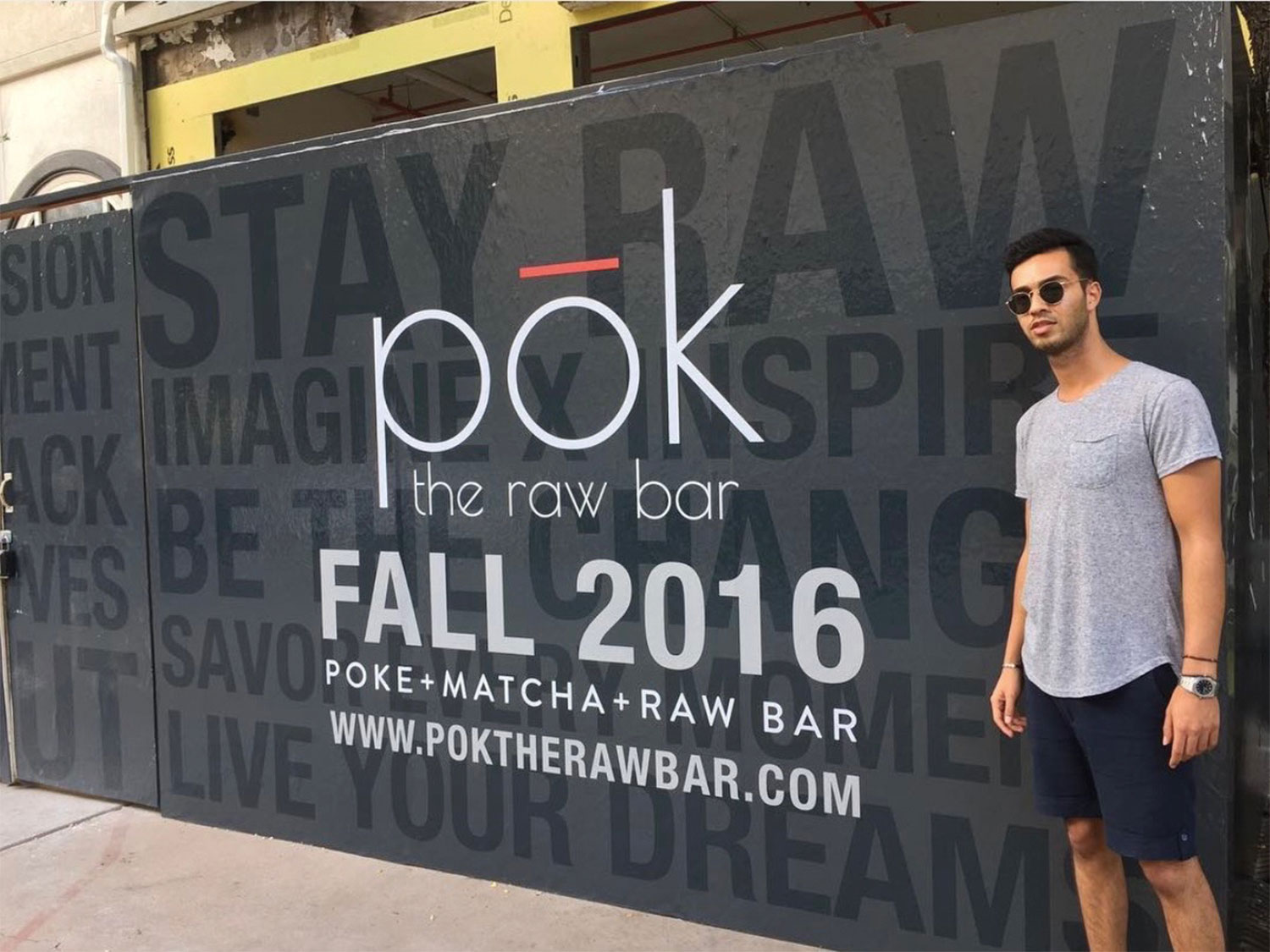
His buddy David from Hawthorne School came to visit and suggested a poké meal. Since L.A. was flooded with new poké restaurants, he assumed Dallas was as well. Francois searched Yelp. There was not a single poké restaurant in the state of Texas.
“That’s literally the day that I, delusionally, at 19 years old, never had worked in a restaurant, decided I’m going to open a poké restaurant … with no money or experience. I sat there and really believed I could do it.”
A new friend at SMU mentioned that he had always wanted to start a restaurant. Armed with this information and the delusional overabundance of what a Gen Z would call “delusional positivity,” Francois dove right in.
“I went home that day, started building this business plan, brand and menu. I pitched him and his parents to invest. I basically had them hooked three days after David left.”
Delusional and Proud
“The whole journey began of finding the right real estate, which was a whole other miracle … I knew that if I was going to do poké, I wanted it to be the best possible. At that time, the best sushi was Nobu. I walked into Nobu [in Dallas], poached one of the chefs, his name’s Jimmy, and sold him on the dream. He was critical.”
The business was a financial success, yet Francois was not satisfied.
“At the end of the day, you’re serving people raw fish in a fast-casual environment. It’s not like there’s that much connection. I was doing it 16 hours a day. I wasn’t sold on spending the next 80 years building this. I really started to look internally at what I wanted to do with my life.”
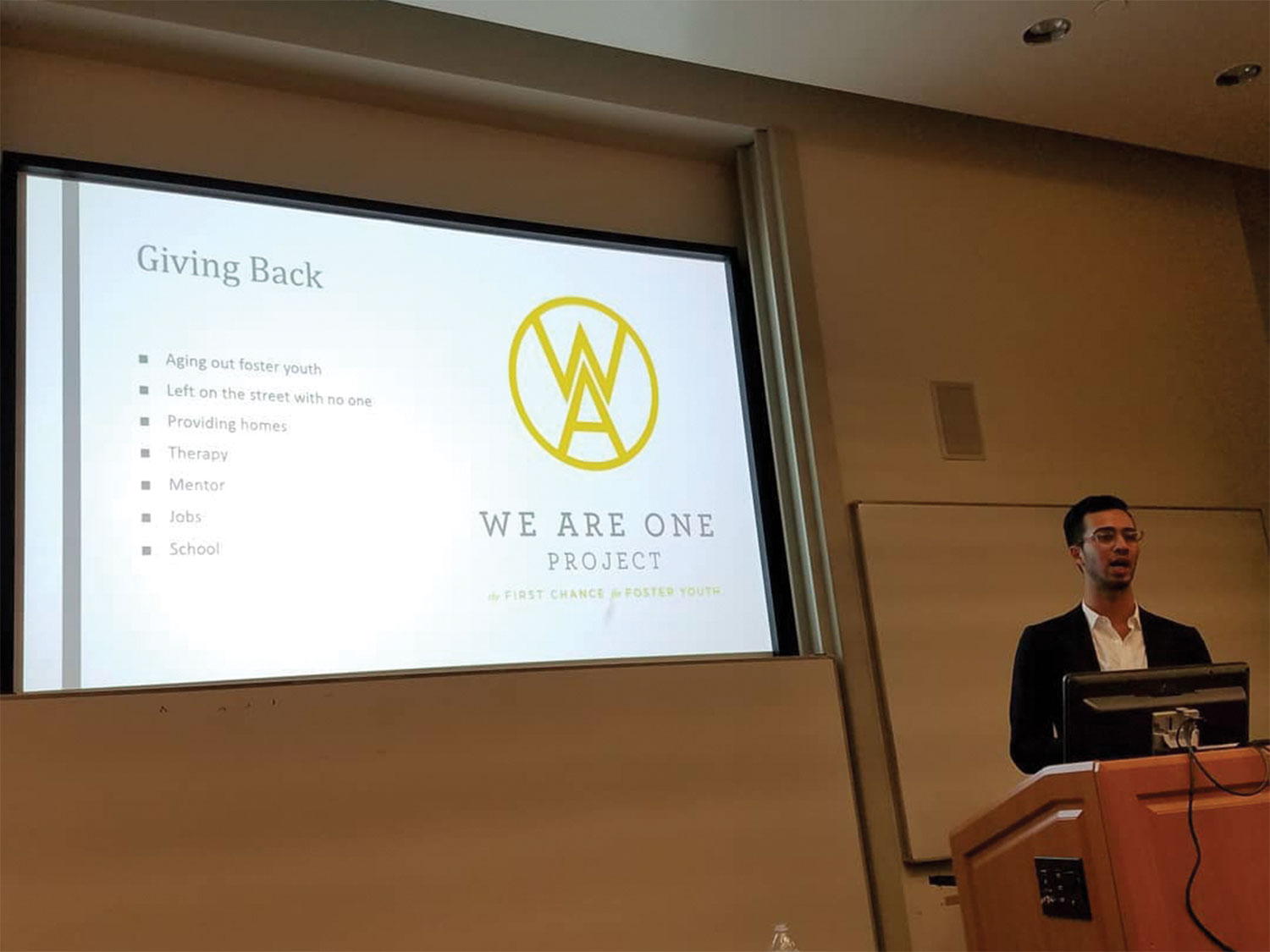
Chloe, along with her friend Erin, suggested Francois explore the world of nonprofits. They took him to a CASA meeting in Dallas. There, he heard the tragic stories of many foster youths. This particular meeting focused on raising awareness of the heartbreaking path young people face when they “age out” of the system.
“I thought my life was pretty tough as a kid. Mine was patty cake compared to what Kelian [a foster child] had been through … I wondered how in the world did this happen to even one kid in the United States. The next two girls, who told stories, were getting progressively worse … funneling to prostitution … drug dealing … These kids never had done anything wrong to be in this position.”
Francois identified with their struggles, yet he knew their pain went deeper than anything he had endured. They never had a loving family. Moved to act, he wanted to hire foster youth at the poké restaurant, but his financial partners weren’t on the same page. So, Francois and his sister, Francesca, launched a nonprofit, only to discover that they couldn’t effectively change the system on their own. Not long after, his partners in the poké business bought him out, leaving him to chart a new course.
“The beauty of hospitality is it’s really the only place that strangers connect.”
Using common-sense thinking, Francois knew coffee is a daily experience.
“It’s this amazing, welcoming environment where people want to spend time. People want to go on their first date, or grab a coffee with their mom, or their friend, or come after their church or temple … Human connection is almost at an all-time high compared to any other environment. That’s really what opened my eyes.”
Enjoying the process of branding and marketing, Francois felt he could build a café brand that could scale.
“I wanted it to truly mean something to humanity.”
One of the key elements was recognizing the divisiveness that cellphones and technology have caused by keeping people insular and promoting opinions online. Francois knew an inviting, friendly, joyous environment would feel welcoming and fun. He decided to simplify the brand’s social media campaigns by only spreading messages of kindness and connectivity. It immediately went viral.
“I wanted someone to walk in and feel like they walked into heaven, from the design, the products, the yellow pops, the human interactions … to feel a sense of joy for life.”
Setting out to revolutionize the coffee industry with an experience filled with kindness, Francois points out that La La Land Cares programs, which help people in need in foster care or elsewhere, are never advertised.
“We did La La Land Cares because we thought it was the right thing to do, not for someone to come buy a cup of coffee. The brand on its own should be so great that someone would want to come buy the coffee on their own.”
The company’s mission is “more yellow” evoking warmth, kindness and joy. Francois’ marketing masterstroke is the yellow coffee cup. It serves as a piece of portable branding. When someone leaves the café holding it, the message travels into the street, office, school, car, or social media post. It makes the company instantly recognizable, while also turning the drink into a visible reminder of the café’s values. The cup often carries short uplifting phrases such as “Be Kind,” “Normalize Kindness,” or “Just Be Nice,” so the object functions as both a beverage container and an advertisement for the brand’s philosophy. The concept is authentic and transformative.
Caring in La La Land
In 2019, Francois found a 100-year-old house on Bell Avenue in Dallas’ Lower Greenville neighborhood and converted it into the original La La Land. Dario Ferdows, Francois’ first investor, stood by him through COVID-19 as Francois signed leases and built out new stores. From the start, the plan included a foster youth employment program. Ten were hired to staff the first café.
“It was a disaster. I didn’t realize how hard it was going to be.”
Stretched to the limit building his first business, Francois was also driving them to and from work, and helping manage their daily lives. He hadn’t anticipated how complex their needs would be.
“I’m delusional in moving fast, but this was the one thing I learned that being delusional is not good for you or for the youth. It was the first time I learned real patience … You really need to put them in an environment that is going to help them move forward.”
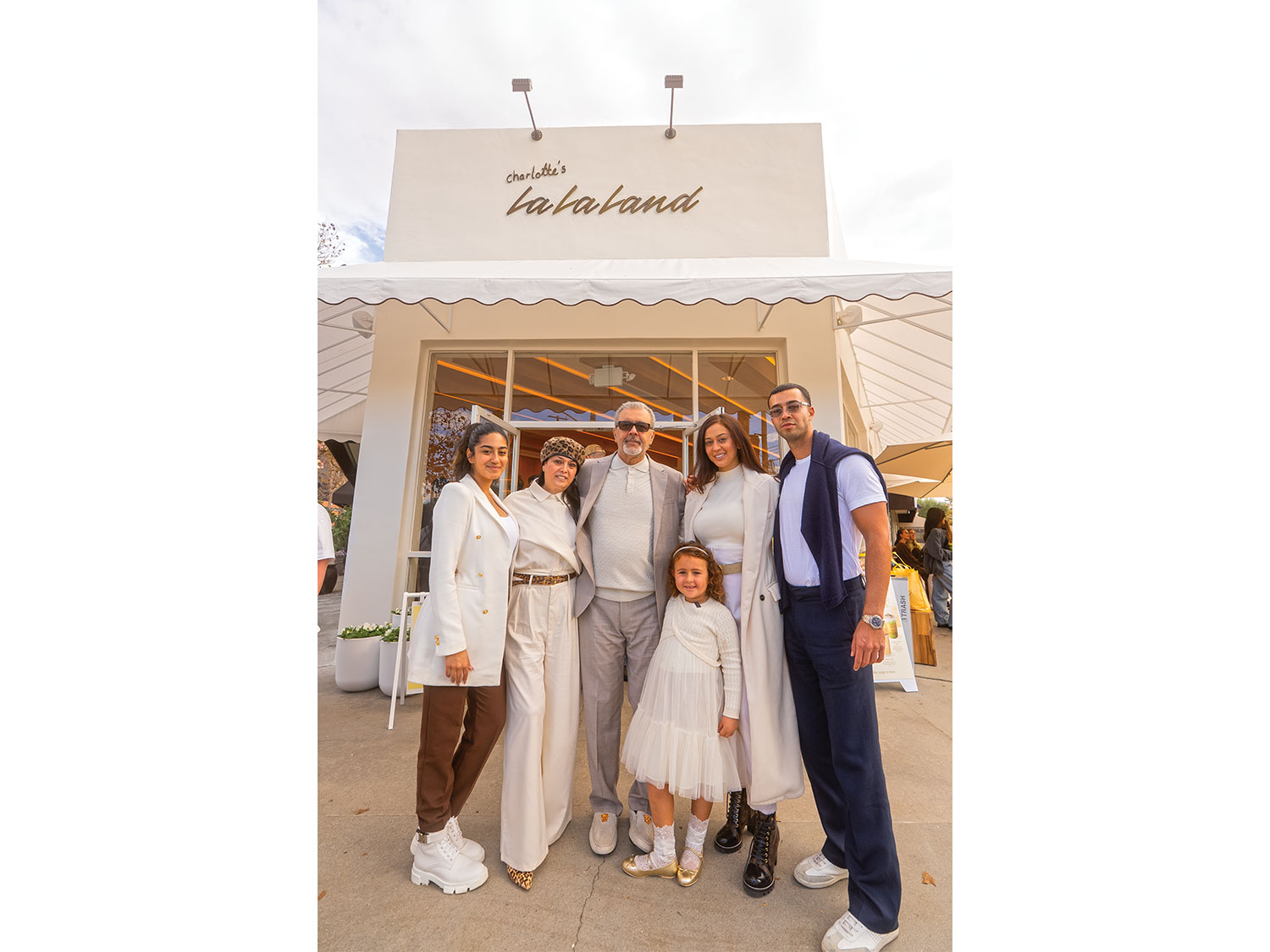
Right: Francois with teams from two of his café locations
Over the next six years, the nonprofit program was reworked nearly 14 times. With each revision, the criticisms seemed to outweigh the praise. Francois responded with tough, decisive changes.
“I’m going to dispose of the nonprofit and we’re going to do it without any tax credit.”
La La Land Cares is all self-funded. There’s no tax credit enabling Francois and his company to do what they care about without restraints. It has a summer internship program for foster youth as well as individuals with special needs at The Americana at Brand, a Caruso shopping mall. Francois also has plans to start a program in Mexico in support of homeless kids, a program to help support struggling families of La La Land employees, and a pet adoption program.
Back in Dallas in 2022 with four cafés, Francois led the core team of three tired, overworked employees. The glue and motivator pushing them forward was Francois and his “delusional positivity.”
“We literally were doing everything from hiring to training to stocking a store, to being at a store for three months and operating that store,” shares Francois. “We were dying up until that point. But it was a huge step into actually building an infrastructure and being able to hire a team to scale.”
John Phelan, former co-founder and chairman emeritus of MSD Capital, L.P., and founder of Rugger Management LLC, and Andy Teller, a private investor, heard about Francois and his hospitality concept. They recognized his talents as well as the brand’s potential and decided to invest $20 million in 2023.
“I love Francois. He’s a gentleman and a great businessman.” — Rick Caruso
Mentor Moment
“In my head I was 100%, absolutely, we’re going to be the next and better Starbucks! When you look back at that time period, it was crazy. It was crazy! I give him [John] a lot of credit for being as delusional as I was in that moment.”
Throughout the journey, Francois has been a quick study of success, particularly the career paths of his mentors, who today are members of his advisory board.
“When I started Pok, John [Neman] from Sweetgreen, coming out of Beverly Hills, was an amazing person to watch … they were really scaling Sweetgreen to be something special. I was on the Sweetgreen website for hundreds of hours, and the first time I met John, I told him. He loved that one,” Francois recalls, chuckling. He also shares that he hung out at The Grove during most of his formative years in Los Angeles.
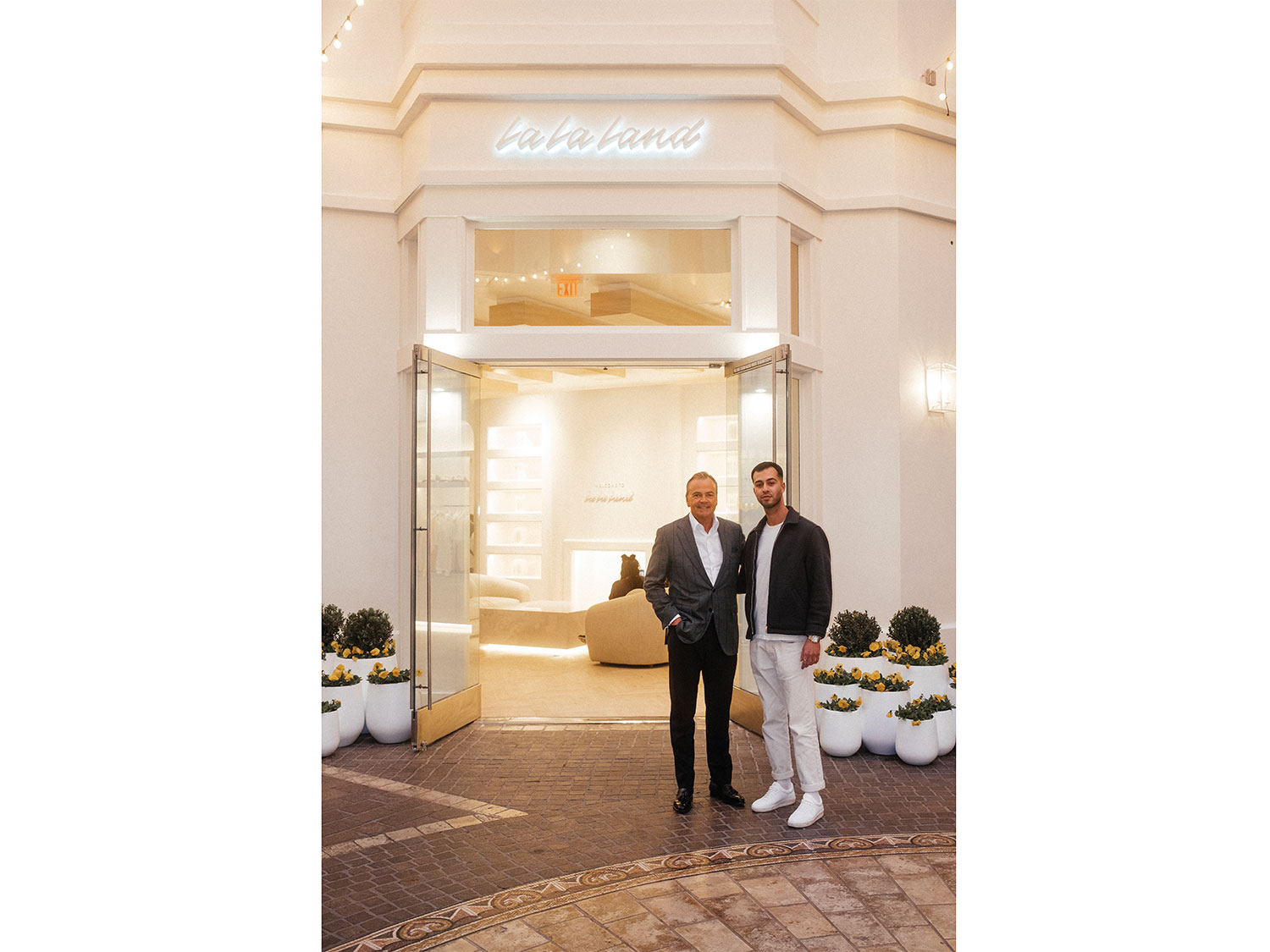
“I’m an admirer of detail. I think detail is what creates something special. Detail is what’s so hard to do … Rick [Caruso] made The Grove an iconic place to be, which, at that time, it wasn’t something special. Rick created his own environment. It’s like a modern-day Disney … a lot of elements of La La have been taken from that. There’s almost no one better at detail than Rick.”
Francois highlights the Caruso culture within his company as well. “It’s amazing and it’s very hard to do. I always had so much respect for him.”
When asked about Francois, Rick replied, “I love Francois. He’s a gentleman and a great businessman. His stores do exceptionally well.”
Today, Rick is fond of sharing that one of his greatest mistakes was not accepting Francois for an internship. Francois wholeheartedly disagrees. If Rick had, Francois might not have had the entrepreneurial fire and hunger to create La La Land.
“When you have a deep belief that something’s there, and that something’s watching over you, it kind of takes the weight off your own shoulders. You just work hard and do what you can do. If you have that deep belief, I think it brings a lot of great miracles.”
Pressure is a Privilege
As La La Land has expanded into desirable neighborhoods across Texas, California, Arizona, Tennessee, North Carolina and Oklahoma, Francois says his biggest challenge has been learning to handle the pressure.
“You definitely can’t let it out on your team or else they’ll feel it. Early on, every small challenge is a big deal. I was always stressed and always felt the pressure. Now, seven years later, the actual pressure and the actual responsibility is 100 times higher, but mentally it’s not.”
When the Beverly Hills store opened in December of 2025, it was La La Land’s first “Reserve” location. The neutral, cozy, calming, well-appointed interior is a variation from the bright yellow branded cafés. On the wall above the “pool table” sits a large piece of artwork that reads, “In God We Trust.”
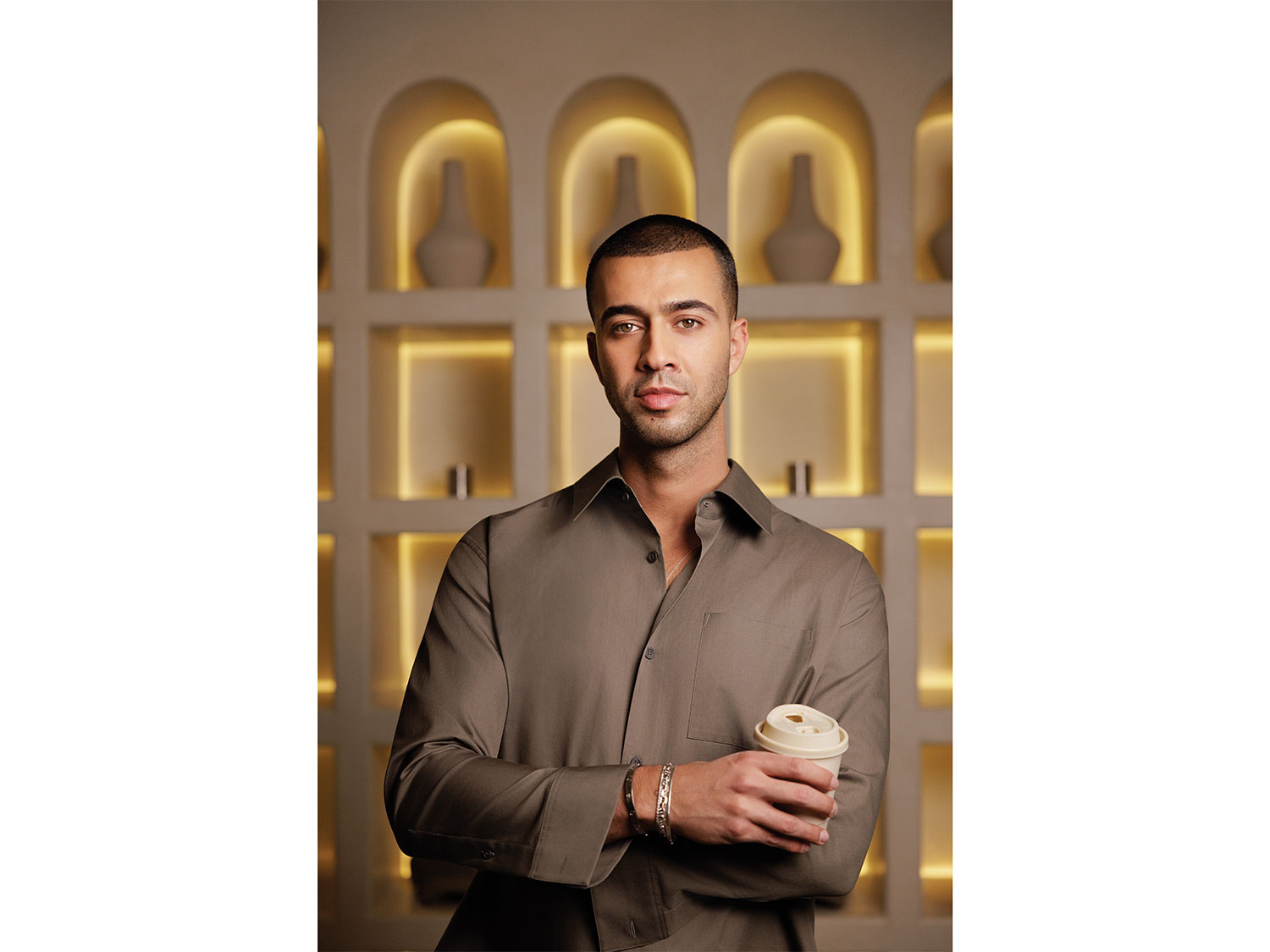
photo by sarah orbanic
“Spirituality is huge … I don’t push my beliefs on anyone. Having a serious belief and a higher power is a very big deal for me … When you have a deep belief that something’s there, and that something’s watching over you, it kind of takes the weight off your own shoulders. You just work hard and do what you can do. If you have that deep belief, I think it brings a lot of great miracles.”
In the fall of 2025, it was announced that Stripes Group, a New York-based growth equity firm behind brands such as Erewhon, Popup Bagels, KHAITE luxury womenswear, Vuori performance activewear, and A24, the film and TV studio, made a large investment in Francois’ La La Land, aimed at growing the brand nationwide.
“The Stripes deal, as big as it was, was a step forward. But I’m not sitting here pretending I won the championship.”
Feeling the humility from this superstar Zillennial, I asked, “What is the championship for you?”
He paused. “Defining a new culture where the brand is really a part of how the country breathes, how it affects the next generation of entrepreneurs and how they build companies. When La La becomes a great American company, I think that’s probably the championship. And there’s a lot of work to go until we get there.”
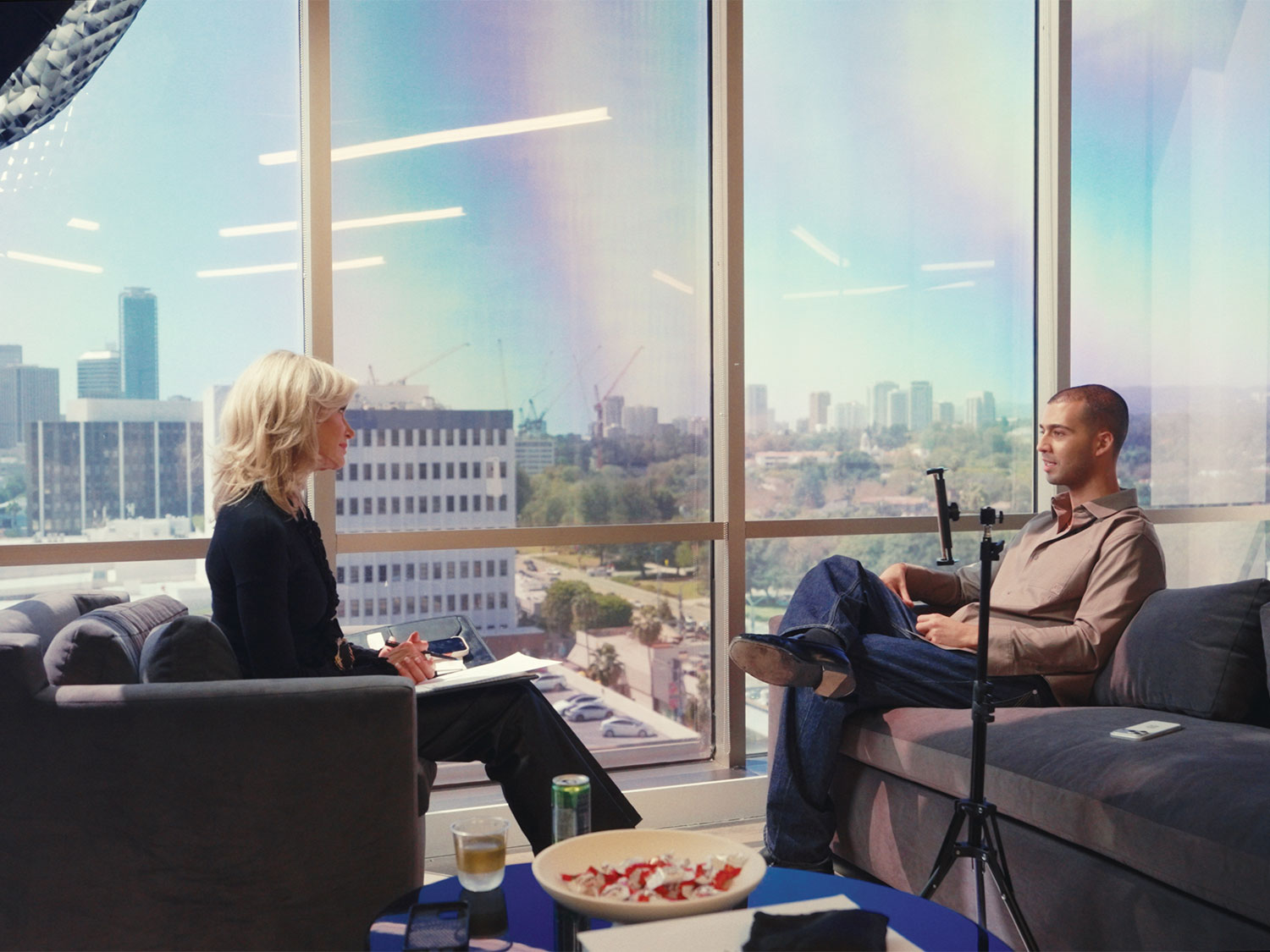
Photo courtesy of Francois Reihani