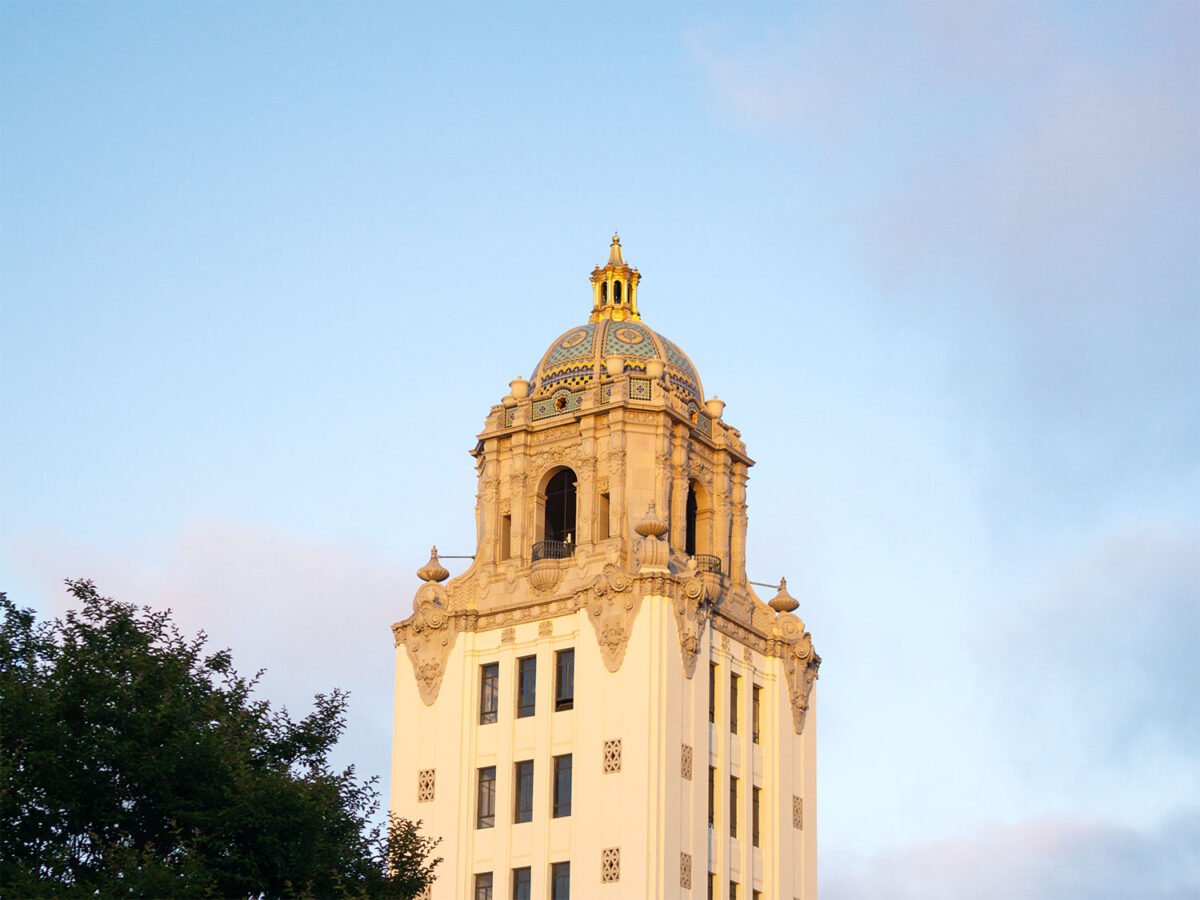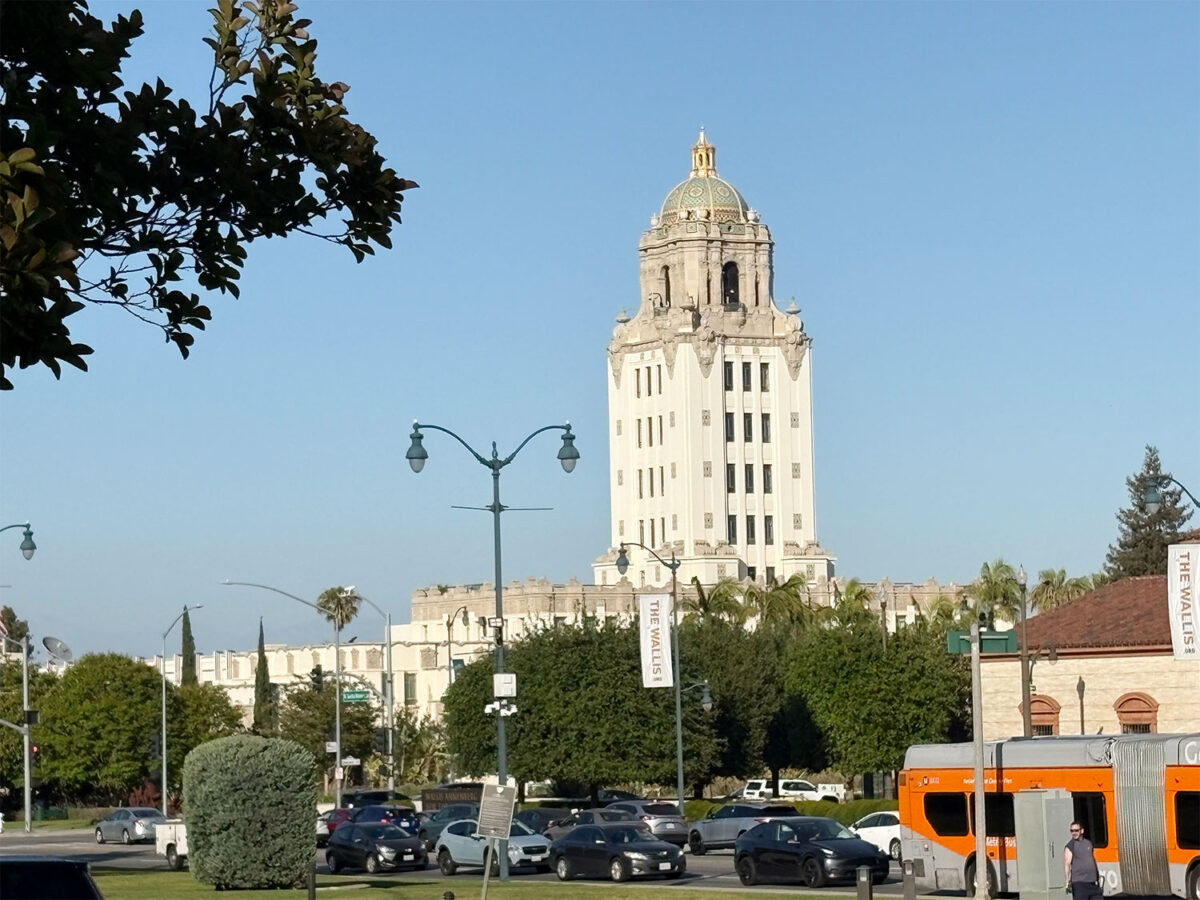

The Beverly Hills Planning Commission at its Nov. 12 meeting voted unanimously to permanently adopt the city’s existing interim regulations to implement Senate Bill (SB) 9, as amended by SB 450.
SB 9 and SB 450 allow for single-family lots to be divided in two ways. The first is an urban lot split, which permits an existing single-family parcel to subdivide into two lots. Each new lot can have two dwelling units. The second is two primary-dwelling units, which allows an existing single-family parcel to have two primary residential units without being subdivided.
SB 9, which was signed into law in September 2021, requires ministerial approval of urban lot splits and two-primary unit projects. The City Council adopted an ordinance to create permanent regulations for SB 9 projects in October 2023; however, SB 9 was amended by SB 450 in 2024 and called for revisions to the previous regulations.
In response, the City Council in May 2025 adopted an interim urgency ordinance in order to give city staff and officials time to study the changes required by SB 450 and develop updated regulations.
The interim ordinance was extended twice. The existing extension is scheduled to expire in May 2027.
The ordinance proposed for permanent adoption is substantially consistent with the existing interim urgency ordinance, according to a report prepared by city staff. It will additionally keep in place provisions that impact public health and safety with regards to development in the city’s Very High Fire Hazard Severity Zone (VHFHSZ).
Many homes and land parcels located north of Sunset Boulevard are in the VHFHSZ, and the city, in partnership with other agencies, has worked to ensure safe and accessible evacuation routes in those areas.
Those precautions will be enshrined in the permanent regulations.
Amendments that were previously adopted and were applicable to single-family residential development standards in the Central, Hillside and Trousdale Estates areas will also remain in place.
The ordinance will now go before the City Council for consideration.
The commission additionally heard an informational presentation regarding proposed updates to the city’s existing Water Efficient Landscape ordinance that would bring it into compliance with state requirements, as laid out in the State Model Water Efficient Landscape Ordinance (MWELO).
According to a report prepared by city staff, approximately 48% of single-family residential water use in Beverly Hills occurs outdoors, as well as 10% of multifamily residential water use and 17% of commercial water use.
“MWELO in Beverly Hills has been an existing ordinance,” said Trevor Alsop, the city’s sustainability program analyst, who presented at the commission meeting. “I think it’s close to 15 years now that we’ve had this on the books. The reason for that, and the reason statewide, is because a fair proportion of the overall water use in the state, as in Beverly Hills, is for outdoor water use, so outdoor irrigation of landscapes.”
Alsop noted that there are approximately 15 to 20 projects in the city each year that are subject to the MWELO, most of which are single-family residential redevelopment projects.
He explained that the proposed changes include clarifying text, ensuring that the cross-referencing is appropriate and placing increased importance on alternate sources of water, such as stormwater and graywater.
“The final piece here, and probably one of the more consequential aspects of the MWELO update, is that … in MWELO projects, you have to calculate a water budget, and the project is then expected to stay within that water budget,” Alsop said.
Commissioner Terri Kaplan emphasized the importance of maintaining some local control over the water budget.
“It makes perfect sense to me that we would not want a situation where our water budget is calculated by the state based on one formula,” she said.
During public comment, the commission received a comment from resident Darian Bojeaux.
“Water is becoming more scarce and more expensive, and our city should be in the forefront of orchestrating measures which would increase water-efficient landscaping and should recommend additional beneficial measures,” Bojeaux said.
City staff will now incorporate the commission’s feedback, as well as feedback from the Public Works Commission, to develop an updated redline draft ordinance. That draft ordinance is expected to be presented to both commissions in December. If adopted by the commissions, it will go to the City Council for consideration in January 2027.