
The Beverly Hills City Council Liaison/Traffic and Parking Commission Committee held a meeting on June 8 to discuss options for its two-year microtransit pilot plan. To compensate for the lack of parking near Metro, this plan would provide locally operated transportation to and from the new Purple (D) Line.
Assistant Director of Public Works and City Engineer Daren Grilley presented three options for the committee to consider. The first requires riders to pay a fee between $1 and $5 to ride the microtransit; the second moves forward with a $5 fee for riders while also allocating between $1 million and $2 million toward bus shelters, rider amenities or the Public Safety Center; and the last option is to not proceed with the pilot program.
The funding for the pilot program comes from Proposition A, which is a countywide half-cent sales tax that must be used for transit. After the two-year pilot, the city could continue to fund the microtransit program through Proposition A revenue. Implementation of the microtransit program would not impact the city’s General Fund or take funds away from other city programs. The fleet would consist of four electric vehicles that seat seven to 10 passengers and rides will be ordered through an app. Two of the vehicles would be wheelchair accessible and all vehicles would be wrapped in city branding.
“The more people that ride, even if it’s seniors for free, the less the cost per trip is,” City Councilmember John Mirisch said, “So as long as we’re providing the service, it’s in everyone’s interest to get as many people to use this as possible.”
Grilley and a representative from Via, the company collaborating with the city to create this pilot program, then moved into answering questions from the committee.
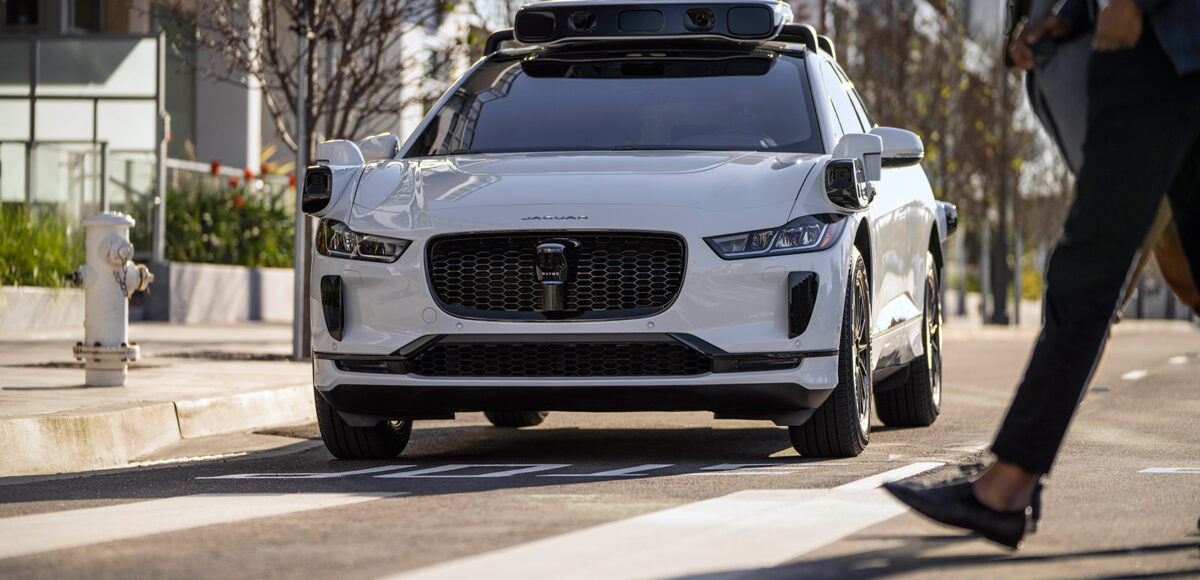
The representative from Via addressed inquiries from Mirisch about working with Waymo as part of the microtransit plan.
“We have had other services where we have brought in autonomous vehicles as part of the dedicated fleet,” the representative said. “So, we could definitely work toward that vision with you all. … What I will say is in the past there have been federal grant funding programs that have supported these services.”
Commission Vice Chair Negar Kamara asked how the program will be affected by the expected influx of growth due to SB 79 that the city expects to see in the next few years.
“We have enough funds for four to six years and I do expect some growth in the service, but not rapid,” Grilley said. He also added that ongoing communication with the City Council and the Traffic and Parking Commission will be necessary so that the program can be adjusted based on the number of riders.
The Dial-A-Ride Shuttle service for seniors will also be integrated into the microtransit program. This would give seniors who book rides in advance priority over those who book microtransit rides same day. In addition, the combination of these two programs would significantly reduce taxpayers’ spending on the Dial-A-Ride service.
As the meeting concluded, Mirisch recommended starting the fee at $1 to get more people to use the service and raising the price later. The committee expressed support for the second option, allocating funds toward the pilot program as well as improving the city’s transit infrastructure. The committee will send its recommendations to City Council for further discussion.