

“Late Fame” is a small movie with an oversized punch, an Academy Award-worthy performance by Willem Dafoe and an engaging script by Samy Burch, a former casting director whose first screenplay, “May-December,” was nominated for an Oscar. Kent Jones directed seamlessly.
Loosely based on the 19th-century novel by Arthur Schnitzler, “Late Fame” tells the story of unassuming Ed Saxburger, a man who has spent the last 30 or so years of his life as a postal clerk. He sorts mail by day and meets his buddies at a bar where they play pool, kibitz and drink; well, they drink but he doesn’t. About to enter his apartment building one day, he is accosted by a young man who claims to recognize him and Ed’s world is turned upside down. “Aren’t you Ed Saxburger the famous poet?” queries Meyers. Startled, Ed nods, not sure of who this person is, how he defines famous and what he could possibly want from him. Suddenly, 45 years of anonymity are lifted, and a past life is resurrected. Ed was a poet, an acclaimed one at that, in the late ‘70s; a member in good standing in the seedy Soho/Chelsea era. All that remained of those days in the smoke and haze was a single, well-reviewed volume of verse that briefly stood him alongside Burroughs and O’Hara. But that was long ago and far away and the book’s been out of print for decades. He’s not that man anymore.
“Please,” Meyers entreats him. “Come meet my friends. They’ll be thrilled.” Skeptical, Saxburger agrees. Introduced to Meyers’ entourage, they are a 20-something group of post-adolescent young men with too much money and no direction. They call themselves the “Enthusiasm Society.” Saxburger calls them the bulls–t poseurs. As Meyers, the self-proclaimed leader of the society, explains, they cherish old ways. They eschew electronic devices and long for the era of the mad New York poets and grunge of Soho before the billionaires made it safe for the rich.
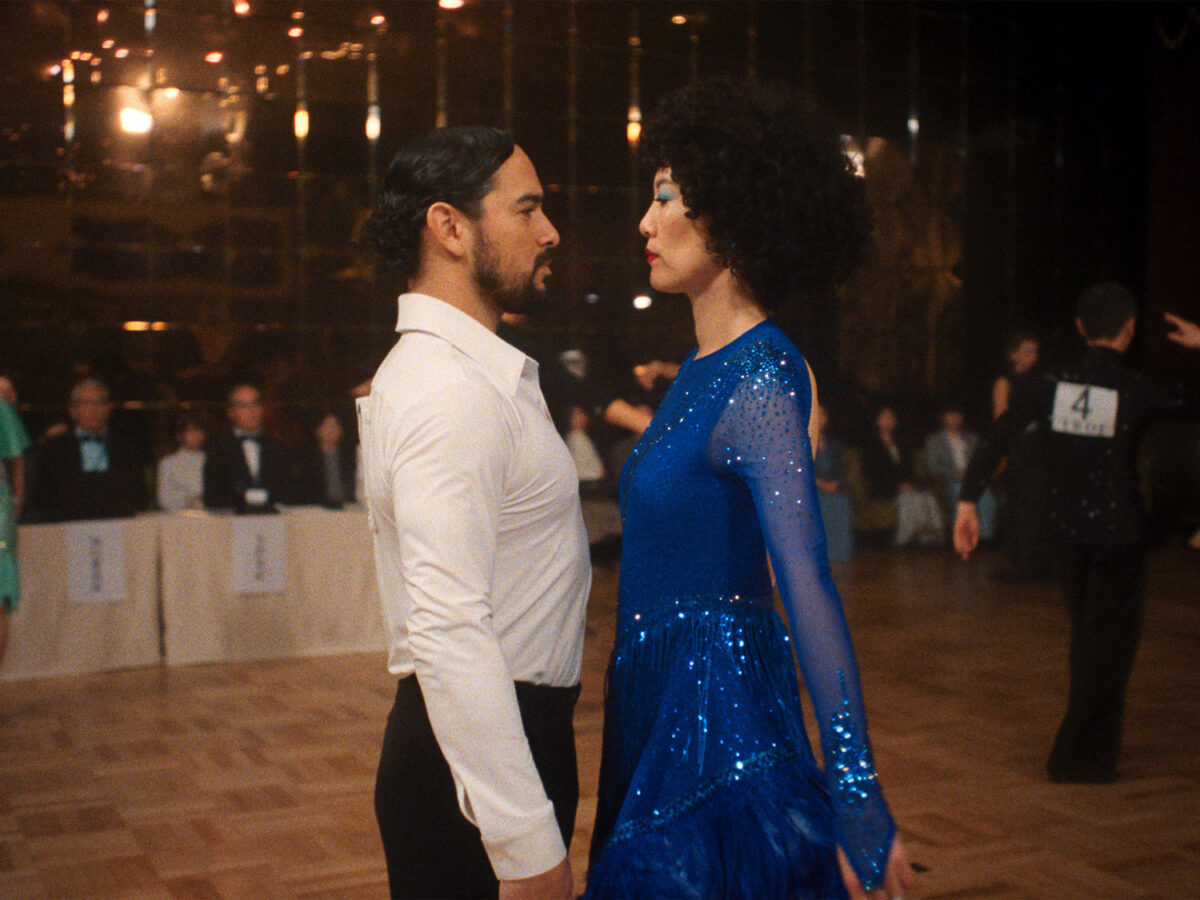
These young hipsters need a cause and they deem him to be it, a nice companion piece to Gloria, their pet actress whose seductive ways and freewheeling manner melted their defenses with a twirl of her feather boa. Wary at first, Saxburger finds the adulation too hard to resist and Gloria’s overt attentions impossible to ignore. That anyone would remember him is amazing but to be rediscovered by the young is extraordinary. They soon have him believing that he could be that Ed Saxburger again. Maybe he shouldn’t have given up; maybe he can still write. Suddenly his life is full of maybes.
He starts to believe their hype and suddenly his bar friends are no longer good enough. They don’t understand poetry; they don’t understand art; they don’t understand who he was. They stare at him blankly and then poke fun. Off he goes in a huff to his new friends who believe he has another great poem in him. But this isn’t about who he was. It’s not about Gloria and her conquests of the “innocents.” This is decidedly about identity. In adopting his “I could have been a contender” persona, Saxburger has lost sight of who he is by embracing who he was and could have been. Gloria, the actress, is lost in the personae she has concocted and is a ship without a sail trying to anchor herself to Saxburger, the obvious adult in the group. The Enthusiasm Society has yet to set sail. They are trust fund babies without direction looking for who they will be, not knowing who they are now. Meyers, the so-called leader, has created an identity from inspirations of the past, a past in which he played no part and of which he has no understanding. Enthusiasm they comprehend; authenticity they don’t.
What is authentic self? Can you make it up? Gloria is whatever anyone wants her to be. She may have genuinely lost herself within the roles she plays for herself and those she plays for others. Saxburger was seemingly happy in his previous existence and knew who he was until Meyers came along. And who is Meyers? Is he a vampire feeding off the others as he play-acts “authenticity” at the cafe while living a privileged life in the Soho of today that he purports to despise? It is obvious that he will eventually choose what he will be by selecting something from column A, something from column B and something from column C, having consigned all the risk to those around him. If the goal is to live one’s best self, that definition is different from all of the above.
What drives this well-directed film are the unanswered questions and the cast he has chosen to ask them. Edmund Donovan, Meyers, is mesmerizing. He successfully plays hypocrisy and contradictions by making them merge into a fantasy of his own making. Handsome, glib, seductive, Donovan’s Meyers is the motor that drives this story. Greta Lee plays Gloria. Veering from outrageous to vulnerable, sage to idiotic, searching and lost, she has a colorful palette from which to paint this lost young woman, very reminiscent of a young Liza Minnelli in “The Sterile Cuckoo” or “Cabaret,” lost souls using outrageousness as a cover to disguise the sadness within. But what makes this film special is Willem Dafoe, at long last able to combine a great performance with a very good film. His Saxburger is an ordinary Joe, a man who wasn’t forgotten but who moved on. His is a quiet, unshowy performance that shines a light on his character, something that classic British actors use to great effect. It is his stillness that draws the viewer into his soul. He lets us know who Saxburger is before it dawns on his character who he is. It is a performance I greatly enjoyed and admired and hope that it will be recognized when the time comes for such things.
Well-directed, gracefully written and beautifully acted, this decidedly independent movie deserves your attention.
Opening Aug. 14 at the Laemmle Royal.
Neely Swanson spent most of her professional career in the television industry, almost all of it working for David E. Kelley. In her last full-time position as Executive Vice President of Development, she reviewed writer submissions and targeted content for adaptation. As she has often said, she did book reports for a living. For several years she was a freelance writer for “Written By,” the magazine of the WGA West, and was adjunct faculty at USC in the writing division of the School of Cinematic Arts. Neely has been writing film and television reviews for the “Easy Reader” for more than 10 years. Her past reviews can be read on Rotten Tomatoes where she is a tomatometer-approved critic.