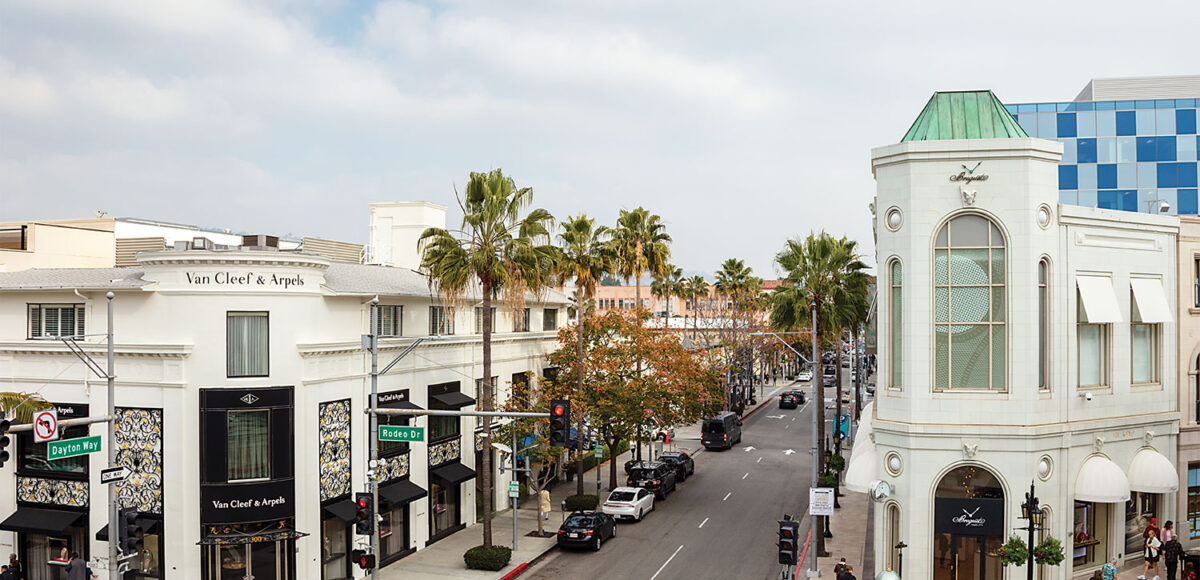

World-renowned developers and celebrated retail brands are banking on a return to shopping IRL (in real life) and Rodeo Drive is a prime example. Over-the-top designs, art, hidden rooftop terraces and one-of-a-kind experiences and product launches are commonplace.
A stroll down Rodeo Drive now involves more than new Balenciaga boots or Fendi Baguette bag. The actual store design and amenities are creating a new forum for comprehensive luxury.
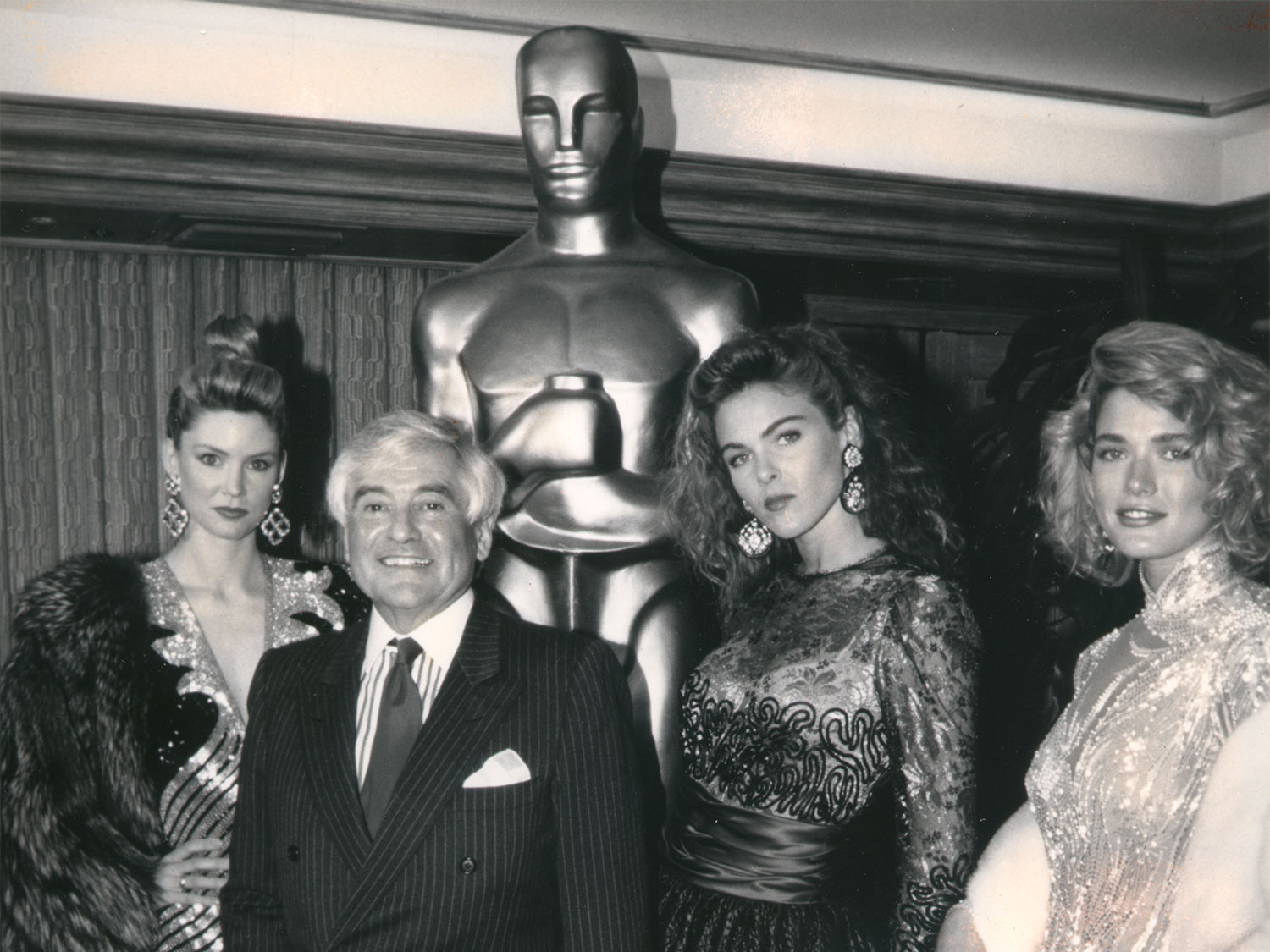
Photo courtesy of Fred Hayman Archives
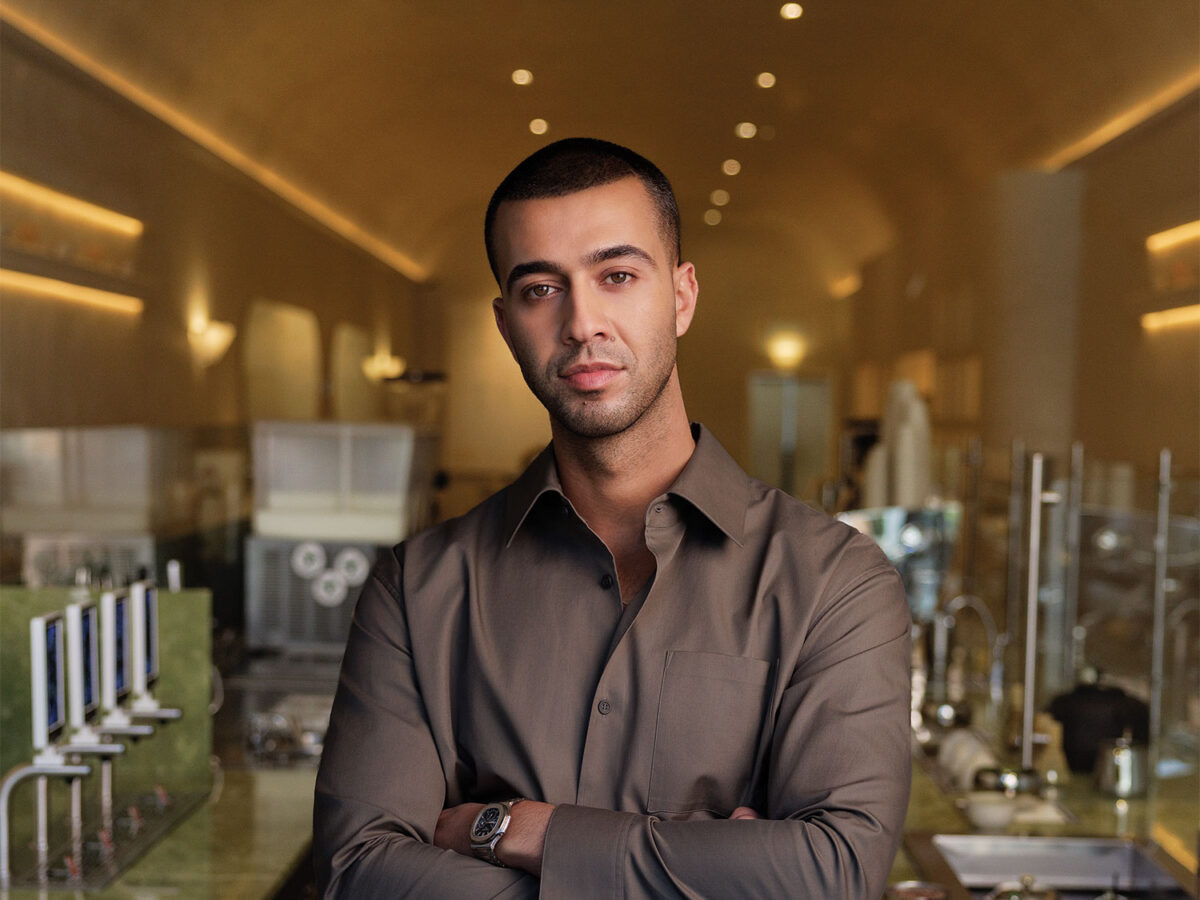
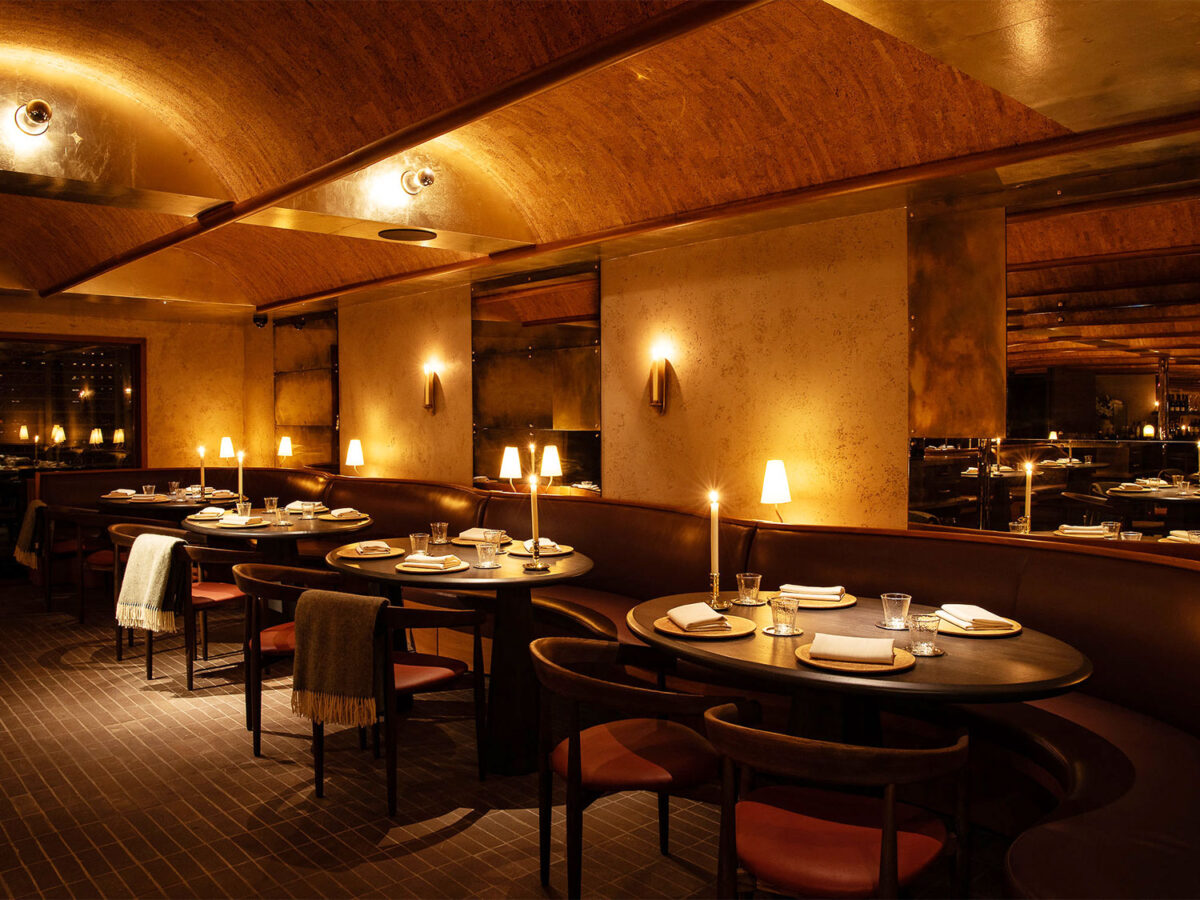
This year marks the 50th anniversary of the Rodeo Drive Committee established by Fred Hayman, who was a pioneer with his retail emporium that housed a bar with Champagne flowing for shoppers, and elevated experiences for guests. We have come full circle with stores like KITH offering gourmet ice cream collaborations for shoppers, as well as a tasting menu with a three-Michelin-starred female chef at Monsieur Dior by Dominique Crenn.
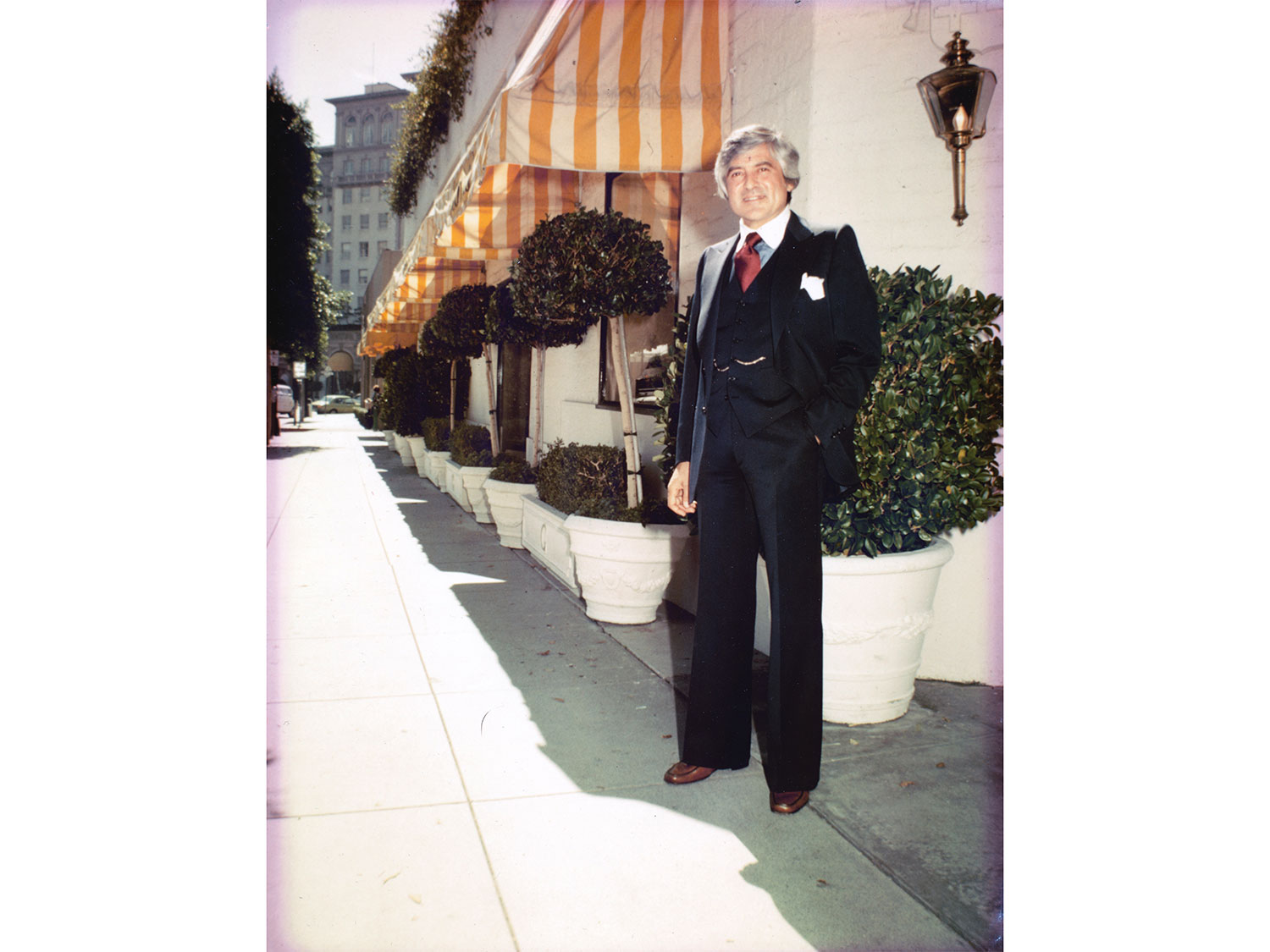
Photo courtesy of Fred Hayman Archives
While the urban lifestyle setting of these stores is certainly attracting new clientele to Rodeo Drive, the idea actually originated in 1949, a block over at Saks Fifth Avenue on Wilshire Boulevard, when a young Black architect Paul R. Williams, who later designed The Beverly Hills Hotel, created a groundbreaking new store where shoppers could lounge and relax. The hotel can arrange “Building Dreams” architectural tours of Beverly Hills that include Rodeo Drive architectural highlights such as the Prada store by Rem Koolhaas and the groundbreaking Givenchy store in a Frank Lloyd Wright-designed building.
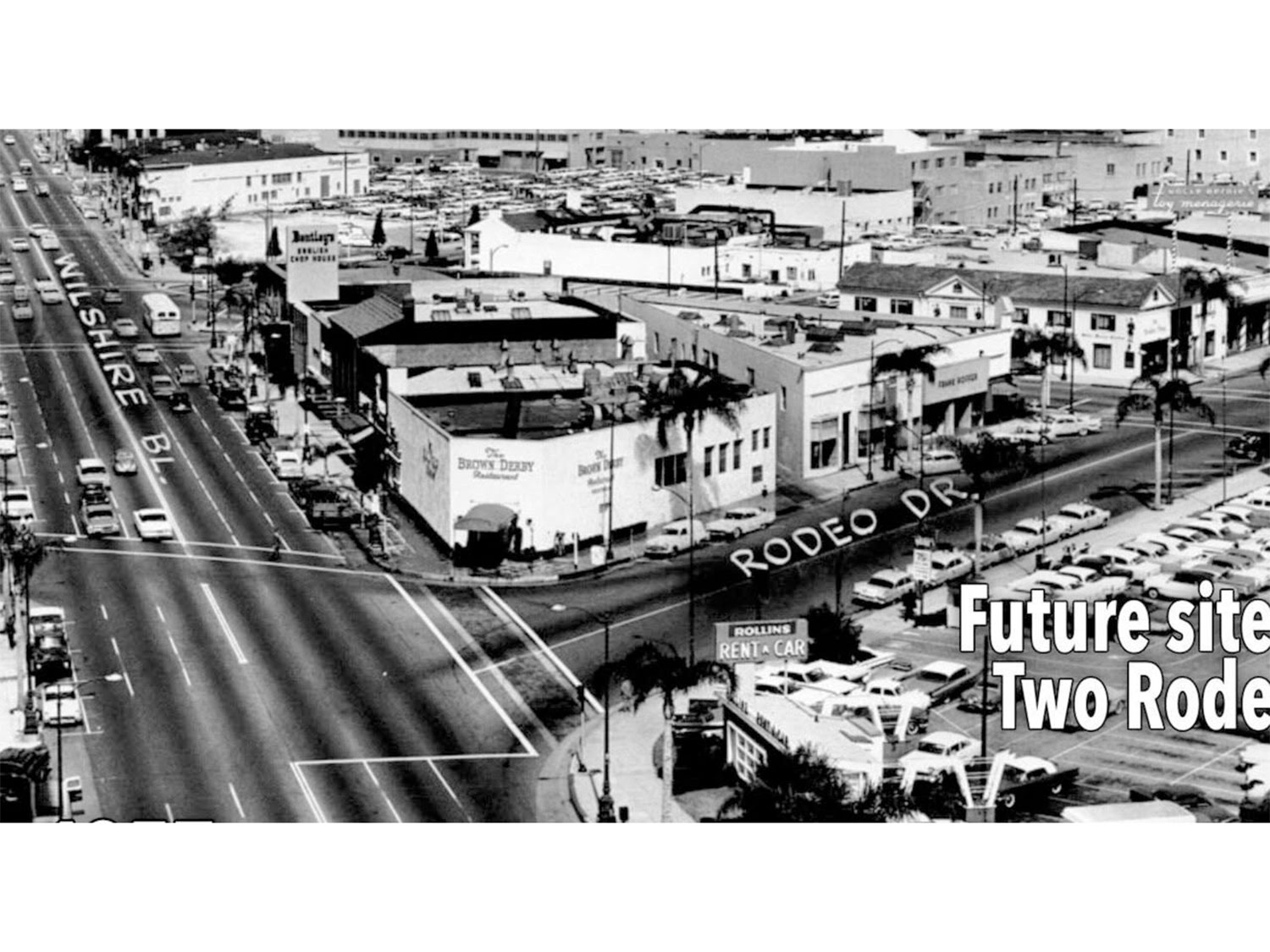
Photo courtesy Beverly Hills Preservation Society
Architectural historian, professor of Architecture at Woodbury University and founder of research studio Radical Craft, Joshua G. Stein, told the Courier, “The relationship between luxury fashion and star architecture has been going strong for decades, but I suspect the sudden influx [on Rodeo] is more about real estate than retail.”
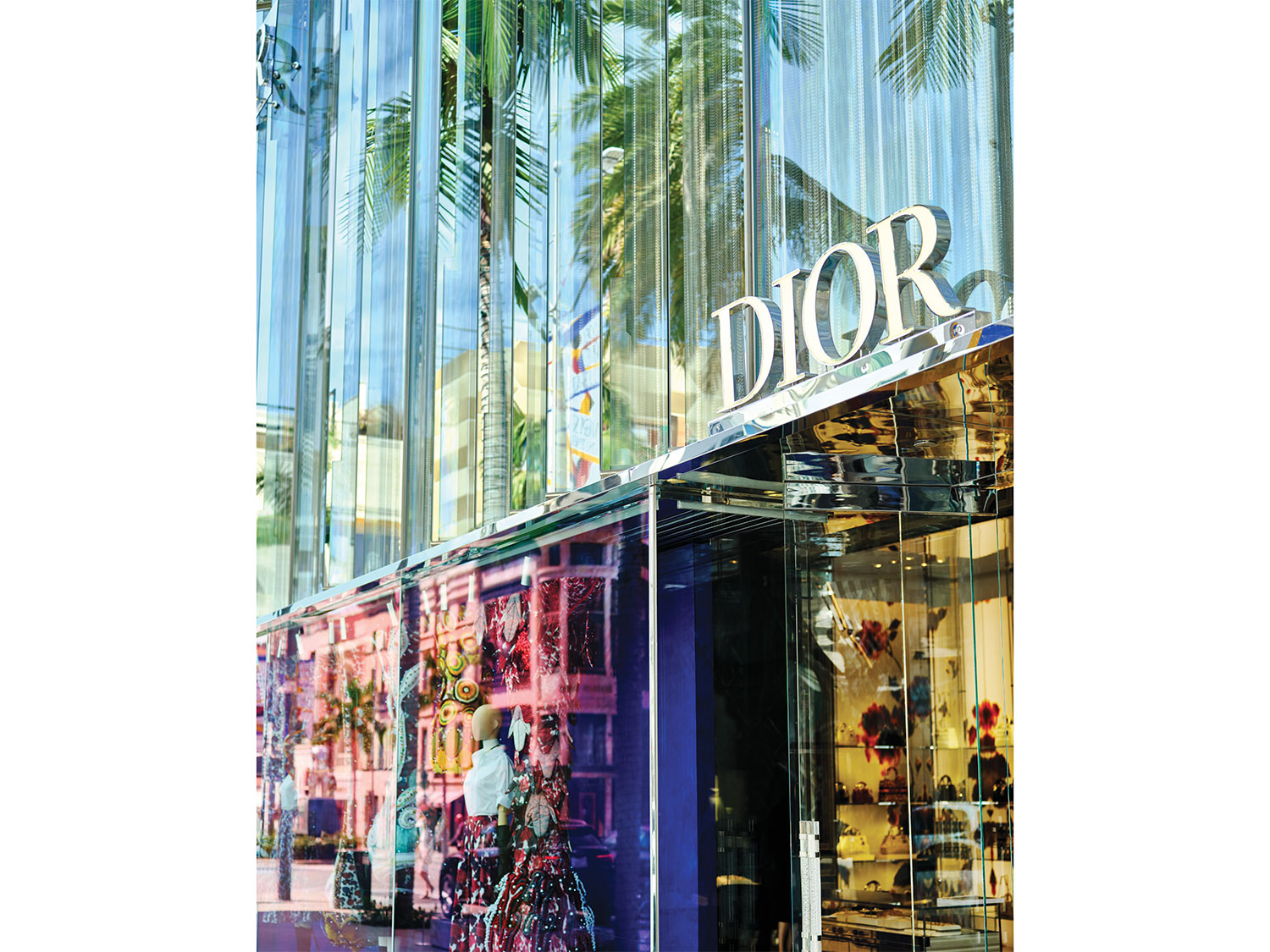
Photos by Brica Wilcox courtesy of Rodeo Drive Committee
One name that seems to be dominating the current development buzz is New York-based designer Peter Marino. His projects range from the revamp of the Chanel boutique in 2023, and the Dior multilevel masterpiece which opened in 2025, to the new Louis Vuitton roughly 105,000-square-foot complex coming to the corner of Rodeo and Santa Monica Blvd. in 2029. The late architect Frank Gehry designed the building, which is currently under construction in the former Cheval Blanc hotel project space. What we know so far, Marino’s contemporary interiors for 468 Rodeo Drive will house men’s and women’s collections, along with fine jewelry, and accessories, an exhibition space, rooftop deck, and multiple food venues. LVMH seems to have the market cornered on Rodeo Drive real estate, which should exceed 200,000 square feet by the time this flagship and its other developments open.
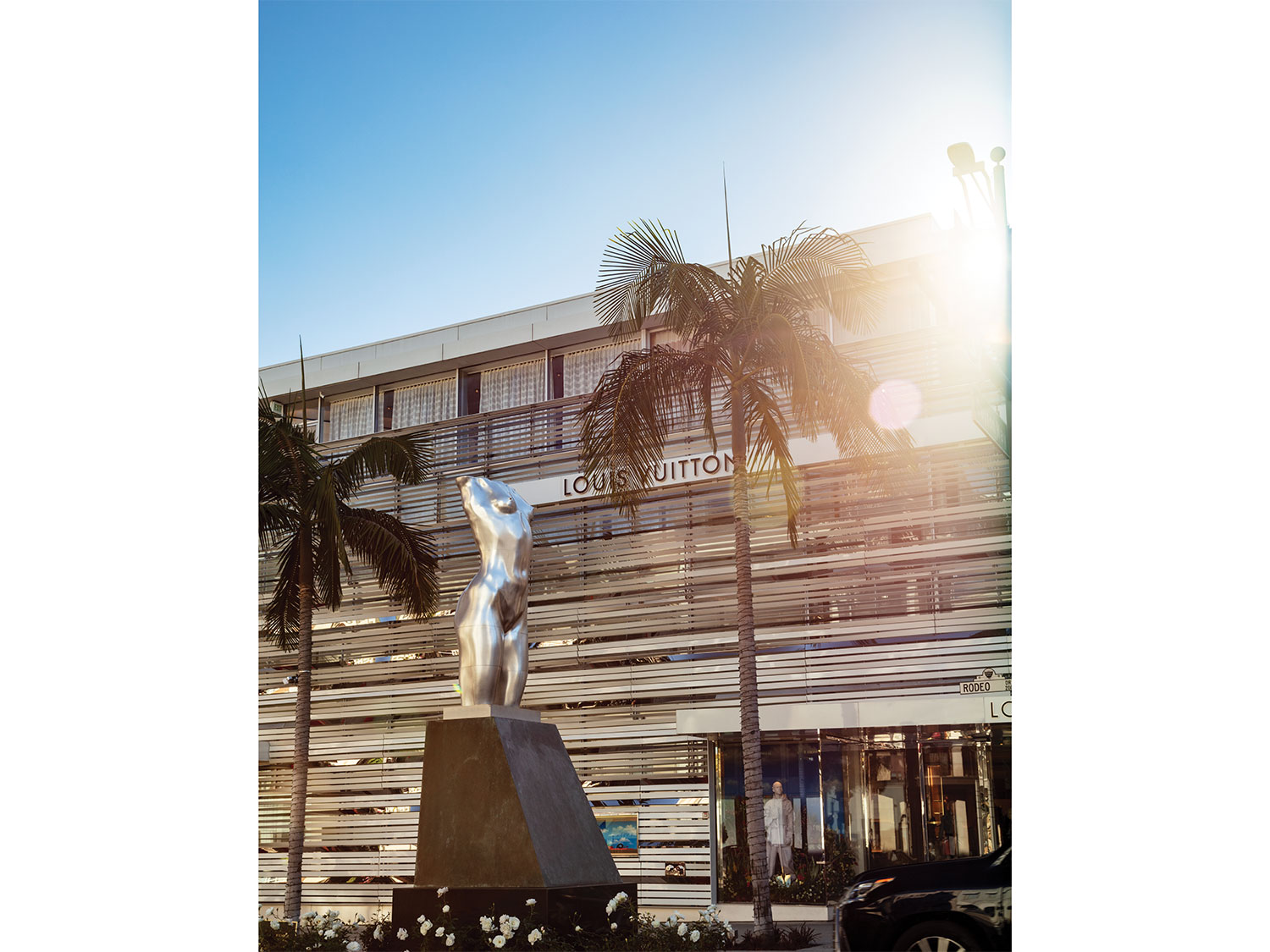
Until then, the existing Louis Vuitton Rodeo Drive store, recently launched a dedicated space for its beauty line, La Beauté Louis Vuitton, and its limited-edition Monogram Rouge holiday collection, as well as a line of small leather goods and accessories.
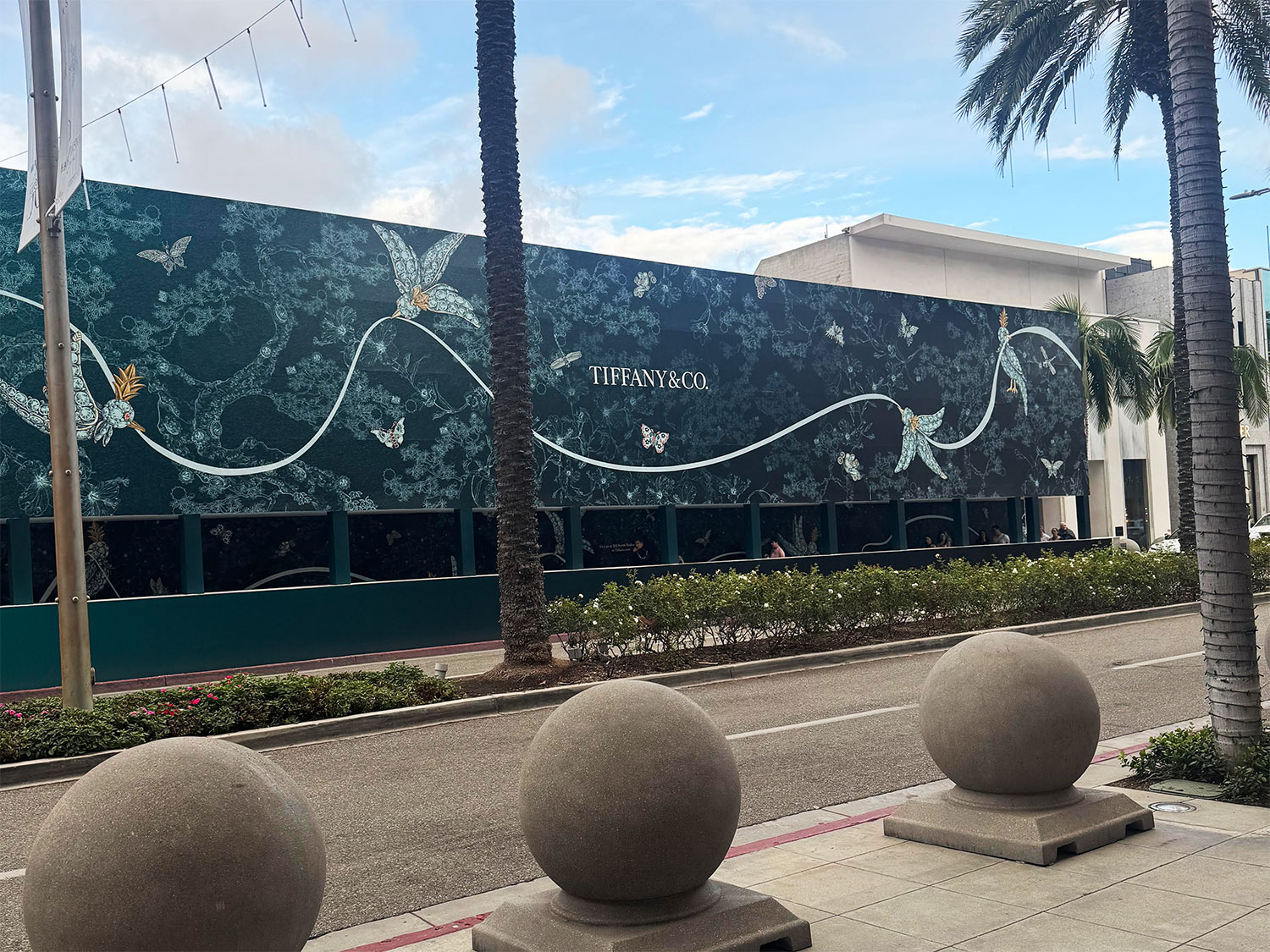
Meanwhile, Tiffany & Co. (part of LVMH since 2021), is constructing its new 30,468-square-foot flagship on the site of the former Luxe Rodeo Drive Hotel. Once completed in 2028, this will be the brand’s second-largest store behind its landmark Fifth Avenue location in New York.
Photos by Carole Dixon
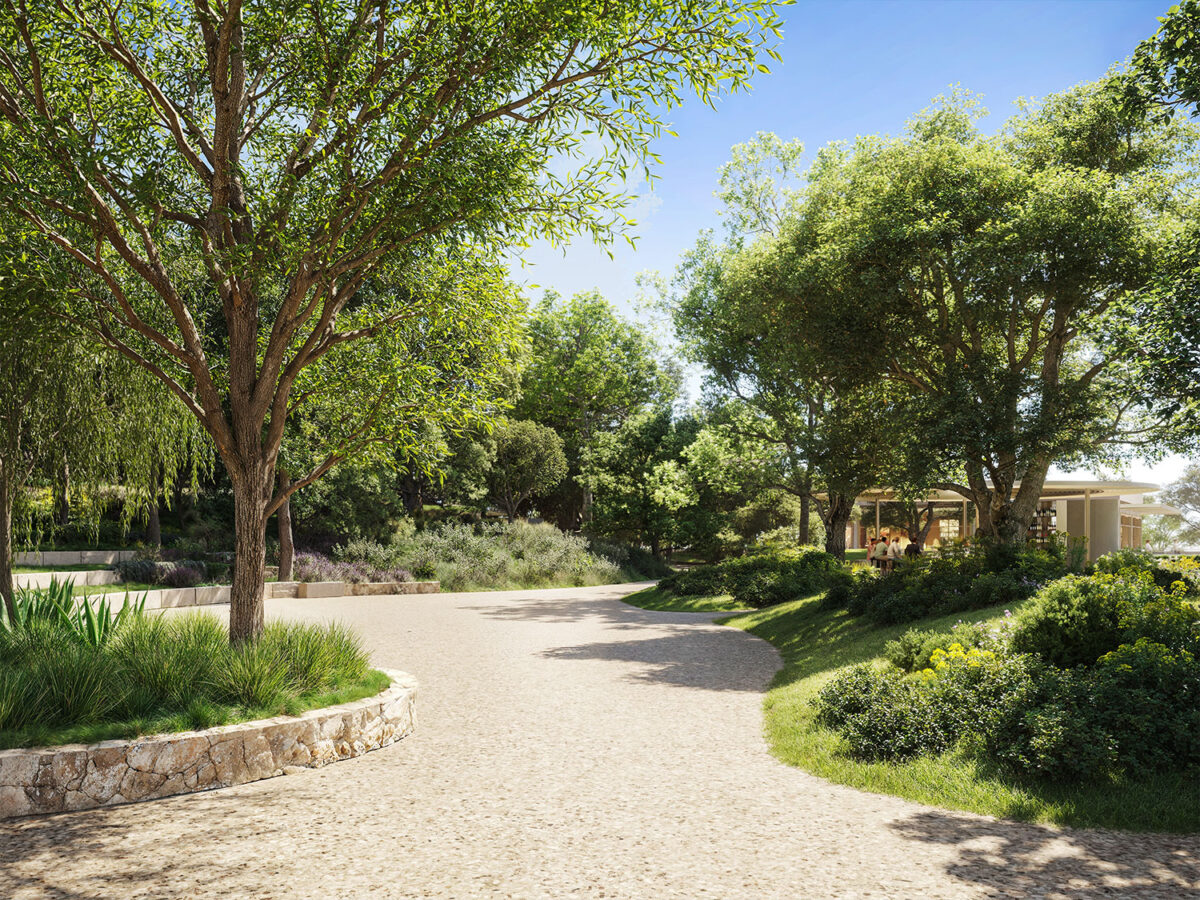
The Beverly Hills Planning Commission approved the project in 2025, which started construction earlier in 2026, to build a 60-foot-tall, three-story commercial building that will house two levels of retail, a VIP rooftop terrace, and a third-floor restaurant. With Daniel Boulud recently opening his Blue Box Café from the New York City location at the Tiffany & Co. at South Coast Plaza, there is speculation he may be at the helm of this new dining development as well.
Chris Rivielle, president and CEO of Plant Construction, the general contractor for the Tiffany project (who is also behind the Beverly Hilton revamp), tells the Courier that some believe the upcoming Olympics spurred the influx of development on Rodeo Drive over the past few years. He suspects it is simply a case of keeping up appearances. “It’s more about momentum and staying relevant,” said Rivielle. As for the Tiffany building, he notes, “It’s going to be their flagship for the U.S. and maybe even the world, and it’s going to be spectacular.”
This past summer, Celine unveiled a new two-story flagship at 309 Rodeo Drive behind a palm-tree-reflective glass façade. Spanning 5,500 square feet, the interior residential feel includes area rugs, vintage furniture seating configurations, and blue-chip art such as Andy Warhol. The mezzanine level has an apartment feel with private salons and wooden chevron flooring. Under the new artistic director, Michael Rider, this destination for women’s and men’s ready-to-wear, will also offer exclusive Nino, Luggage and Frame bag variations in exquisite silks and leathers.
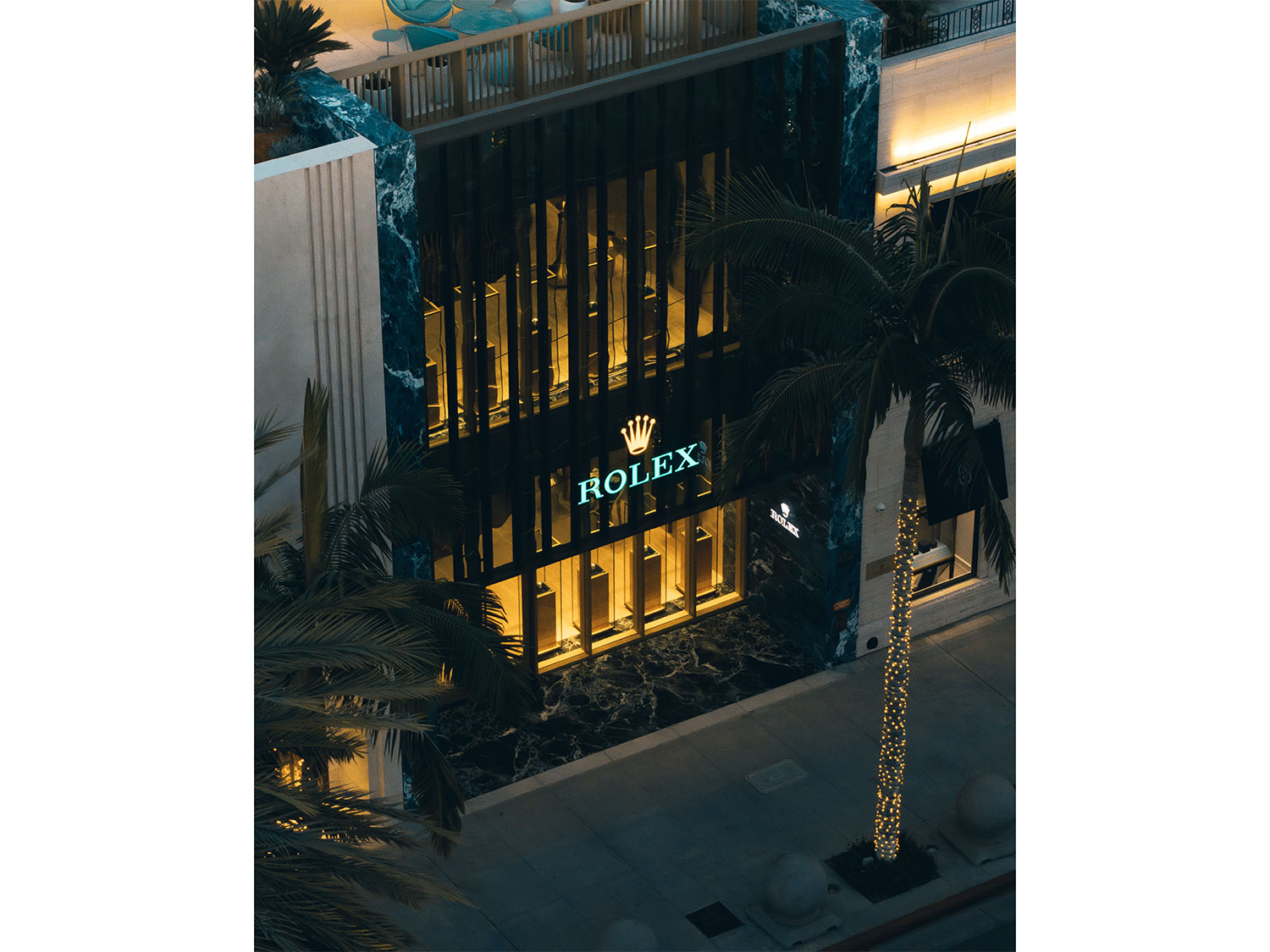
Photo by Luis Perez Barrio, courtesy Rodeo Drive Committee
Nearby, fine Italian craftsmanship is alive and well at Ferragamo, which recently unveiled its new retail destination that reflects a focus on architecture by Belgian designer Vincent Van Duysen at 357 N. Rodeo Drive, along with Chairman Leonardo Ferragamo during “The Joy of Loving” holiday campaign.
“Beverly Hills holds a deeply special meaning for us,” said Ferragamo. “It was here, exactly 100 years ago, that my father made the life-changing decision to return to Italy, following the extraordinary success he had achieved in America while still only 29 years old. It was here in Beverly Hills that he opened his very first store and built a success that far exceeded even his most ambitious youthful dreams.”
Inspired by the hospitality of Salvatore Ferragamo’s original salons, the décor is constructed to resemble a contemporary Italian home, with natural stone, marble, glossy red lacquered metal counters, backlit panels, and bronze-framed mirrors. But the showstopping piece is a custom glass table by Milan-based designer Andrea Mancuso of Analogia Project, decorated with sea-blue ceramics from the Aquario collection.
Also recently opened in late October, David Yurman unveiled a newly reimagined showroom by Italian architect Andrea Tognon. It features a cast glass façade and warm limestone interior, with stone and onyx counters inspired by rich gemstones. Part of the expansion includes a private client salon behind an etched glass wall with the iconic cable motif.
While they might have just launched three new titanium watches, Bvlgari was also inspired by its Roman heritage for a complete revamp of the Rodeo jewelry and accessories store within the last year. Now, guests are greeted in the Maison by a focal staircase and its dangling curtain crafted by Venini’s master artisans with 1,400 pieces of sparkling Murano glass in golden sunset hues, along with travertine columns, fluted walls, and Calcutta marble in a signature cabochon cut.
Bvlgari North America President Hervé Perrot commented on the Rodeo Drive enhancements, “Los Angeles has long been a source of inspiration for Bvlgari, a place where cinematic glamour meets bold creativity. We have been thrilled welcoming our clients to experience a renewed expression of our Roman heritage in this extraordinary city.”
The Maison now spans a multilevel space with dedicated selling areas for its collections of fine jewelry, watches, perfume and handbags on the main floor, along with a salon for entertaining clients and a rooftop terrace, the brand’s first in North America.
Celebrating 50 years on Rodeo Drive this fall, Bijan’s boutique is now available by appointment only, so the entire 8,000-square-foot space is private during every guest’s visit. To mark the occasion, the boutique didn’t add a VIP terrace, but did create two new fragrances, Just Bijan for Men and Just Bijan for Women, carrying on the legacy of the original scent that put them on the map.
Tucked away on Two Rodeo, newer Italian lifestyle accessories store Abel Richard from Dubai and Miami, is using materials from Formula 1 cars to make one-of-a-kind handbags (priced at over $100,000) and James Bond-style brief cases that are both works of art.
In more expansion news, Hermès has acquired two adjoining Rodeo Drive properties for a reported $400 million, the largest retail real estate deal in the city’s history, which will double the current footprint of its current store at 338 North Rodeo Drive.
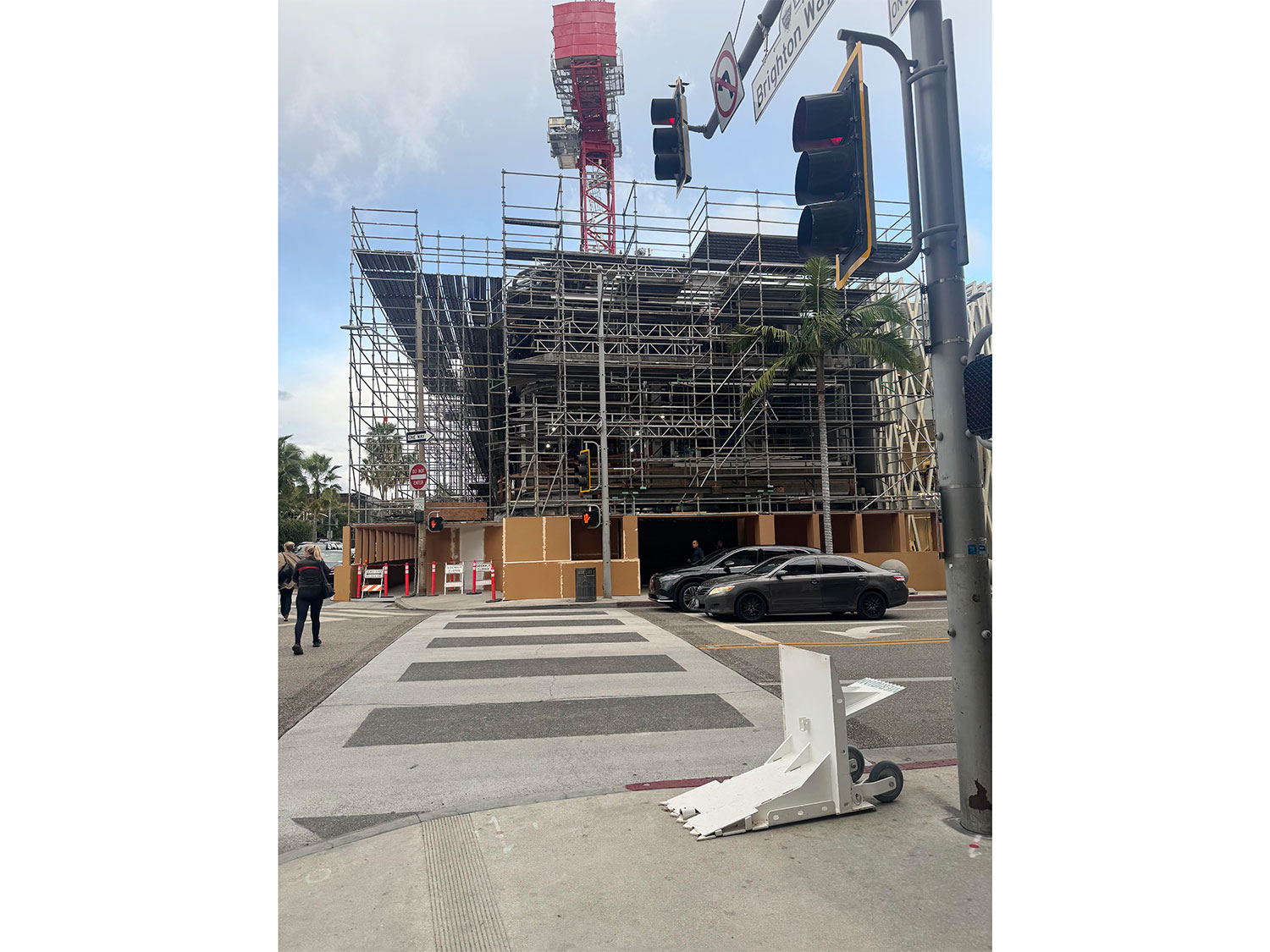
More to look forward to: Cartier’s future global flagship on the corner of Rodeo and Brighton Way, will reveal a 15,250-square-foot, three-level space designed by Foster + Partners, that will also hold a rooftop terrace.
The Courier also discovered that a development plan review is underway for Van Cleef & Arpels, which has filed a request to construct additions to its existing commercial building with a new rooftop use and terrace.
Once the Purple Line Metro Extension is complete on Canon Drive, and all of the flagship stores reopen, Rodeo Drive will be poised to become the prime spot for not just shopping, but year-round rooftop soirees with panoramic views of the city.