Rebecca Pynoos Discusses Growth, Metro and South Beverly Hills Priorities

Rebecca Pynoos

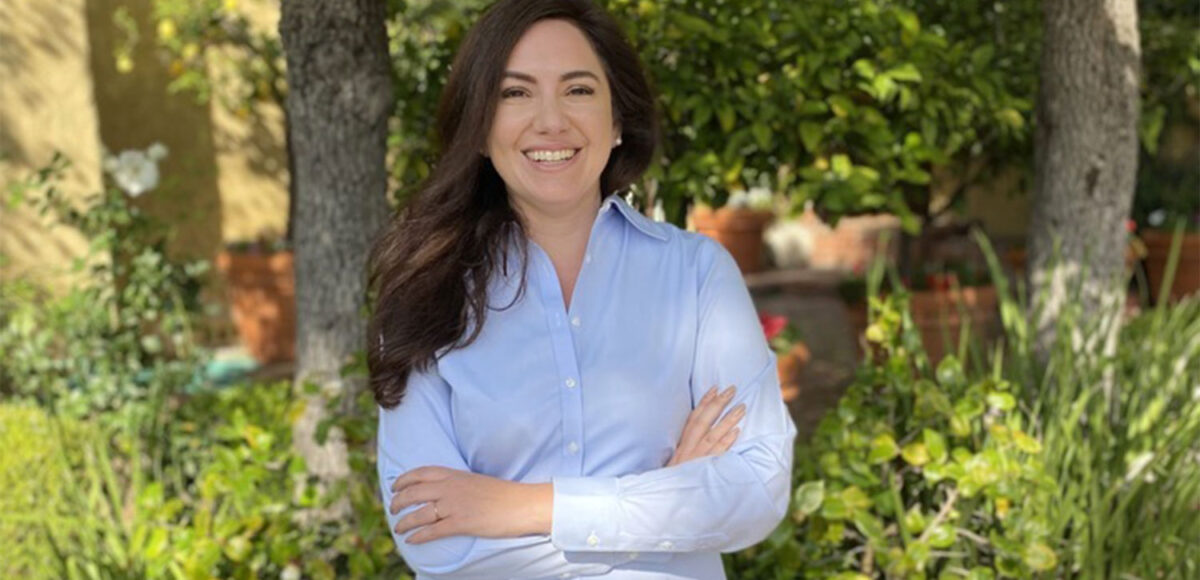
Architectural and Design Review Commission Chair Rebecca Pynoos is poised to become the newest member of the Beverly Hills City Council. As of press time, Sharona Nazarian continues to lead the race with 27% of votes. Lester Friedman maintains second place with 14.77% of votes and Pynoos is in third place with 14.33% of votes, leading Andy Licht, in fourth place with 13.44% of votes.

Licht, a Cultural Heritage Commissioner, conceded the election in a statement to the Courier.

“I am deeply grateful to everyone who supported my campaign and placed their trust in me. While I am disappointed not to have earned one of the three seats, I respect the decision of the voters and congratulate the successful candidates,” he said. 

Election results will be certified by Los Angeles County on June 26 and the City Council will be officially installed on July 7. 

In an exclusive interview with the Courier, Pynoos spoke about her goals and the most pressing issues the city is facing. 

This interview was edited for length and clarity.

BHC: During your campaign, you spoke about the importance of having someone on the council who lives south of Santa Monica Boulevard. With John Mirisch leaving office, you will be the only representative of that area, and the only renter. Explain why that is important. 

Pynoos: My understanding is that two-thirds of our residents live south of Santa Monica Boulevard, and these are areas with different issues. Some of these neighborhoods now and for the next few years have the potential of being impacted by local, regional and state issues in a very different way. We have two Metro stations there in the Southeast and the Southwest. We have a lot of potential Builder’s Remedy projects, the majority spread amongst the Southeast, South and Southwest. So, I think it’s crucial to have somebody who lives in these neighborhoods to help be the voice of these areas, and also directly respond to residents’ issues and concerns.

As for being a renter, I feel similarly. I believe somewhere around 50% of Beverly Hills residents are renters, which I think is a shocking statistic to most people who assume that Beverly Hills means you have a giant mansion and a swimming pool. I hope to represent every single neighborhood, issues from Trousdale, the Flats, the Hillside. Everywhere has distinct issues. 

BHC: Can you talk more about specific issues in the southern part of the city you hope to address while serving on the council?

Pynoos: During my campaign, as I was door knocking and meeting a lot of residents, I heard directly about people’s concerns. The power outages in a lot of neighborhoods have significantly impacted people’s livability. People feel like they’re the neglected edges of the city. I heard frequently that there are neglected retail and commercial areas of the city where there are many people who live within walking distance of a major commercial corridor that hasn’t seen the sort of attention it should. We spend a lot of our time and energy in the Golden Triangle and we have Olympic, we have Wilshire, we have Robertson, we have La Cienega. We have these other major potential places of commercial activity that I think residents want to see activated in a different way.

Not everyone is going to a fancy dinner in Beverly Hills, but still want something that’s accessible. Having a market in the La Cienega area, where there’s none, I think that is something I would like to commit myself, and I hope the rest of our council, to see what we can do. I believe the nearest market that many people go to is a Trader Joe’s that’s in Los Angeles on Burton Way, instead of having something in what is a densely populated and potentially walkable area with the Metro station. That’s what you want with a Metro station, you want things that are accessible and within a 10-minute walking radius.

BHC: During your campaign, you spoke about the city’s missteps in meeting its Housing Element, which has led to the influx of Builder’s Remedy projects. Now on the council, what steps do you hope to take to protect the character of the city against these projects?

Pynoos: It is hard to know what the next housing cycle is going to be since we don’t have that yet, but I think whatever immediate preparation we can do for the 2029 Housing Element cycle, we should do. There should be clear council oversight and accountability. I think we also need better resident education about changes in state housing law, since there are so many.

There are so many new bills that are meant to speed up housing production and shorten timelines, and they come with new procedural requirements and reduced local discretion, and not everyone is interested in doing a deep dive into each policy. I think most people feel, if a project is coming next door to me, or across the street from me, or in my neighborhood, how did this get here, and what does it mean? I feel it is my responsibility to try to educate people in advance as much as possible, to also explain what I think we can and cannot do.

My feeling is that unfortunately the city got itself into a very bad place with 16 projects coming in between 2021 and 2024 when we did not have an approved Housing Element, and I hope to never see that happen again. So, I am hoping we do everything we can to get an approved Housing Element, because having an approved Housing Element allows us to keep whatever modicum of local control we can.

BHC: Residents are concerned about the fact that the Police Department is currently not fully staffed. What are your plans to bring the department closer to full staffing?

Pynoos: The city of Beverly Hills and other local departments have had trouble with retention and recruitment of officers. It seems there are less people going into the profession. The cost of living makes serving in Beverly Hills very cost prohibitive for many people who have very long commutes, who can’t afford to live near where they work and where their families are. I think the city has looked at what it can do to incentivize people to come work and stay and build a career in Beverly Hills, but I think retention and recruitment are the overall issues.

BHC: What other priorities do you have with public safety?

Pynoos: Keeping Beverly Hills strong and safe is a priority for every single councilmember. I think that’s why a lot of people choose to live here. The concerns I’ve heard, when I’ve gone out and spoken to residents throughout the campaign, is speeding cars, traffic concerns and walkability for residents, whether they have young children who maybe want to play in the street, or older adults just going on a walk in the neighborhood.

In addition to policing, part of the public safety element comes through what’s called crime prevention through environmental design, activation of vacant storefronts and enhanced pedestrian infrastructure. I think those lead to public safety. People are getting off at La Cienega and Wilshire, and they don’t know what to do. There’s no wayfinding there. There’s nothing that directs you to any business or activity. I think we’re actually not seeing, to my knowledge, the issues and concerns that people thought we were going to see.

BHC: During your campaign, you spoke about how you believed the city was not ready for the Metro station, specifically the area surrounding the Metro. When you join the council, what changes do you hope to make to the surrounding area?

Pynoos: I really hope to get resident input on what people who live here, what people who’ve owned homes in this community for years want to see in their community. There were community meetings during the campaign, and there were residents who said that the council only comes here during an election cycle, and I want to be a councilmember who comes to the Southeast on a regular basis.

The residents in this area need some sort of carrot. They have the potential of a mass number of development projects, and I think they absolutely need some kind of benefit. The area absolutely needs and deserves an activation, but not just what the Chamber of Commerce or the council think should come into this area. We need to make it an area that works for residents who live there.

BHC: You also spoke often about the importance of addressing alleged racism in the Beverly Hills Unified School District. How do you hope to alleviate parental concerns?

Pynoos: I’m the third generation of my family to live in Beverly Hills, and I have been shocked over the last years to learn of both racism and bullying. I was bullied myself during this campaign, and I think that type of behavior and conduct has no place in our city or community. 

I’m pained that anyone in our community experiences this. There’s a level of integrity and personal accountability, and I want to do everything I can to make sure that Beverly Hills is a welcoming city that actually conducts itself with civility beyond a civility statement that every candidate claims to sign on to, and then tarnishes behind your back. I think that’s so wildly inappropriate, and to me, that has no place on our council. It has no place in our campaigns, and it has no place in our schools where we should be supporting everyone at every age to feel welcome and part of a cohesive, thriving community.